
Developing your cycling skills
For a safe and enjoyable experience, a number of features make it easier to progress on different types of terrain and help you stay in control, even in the most demanding situations.
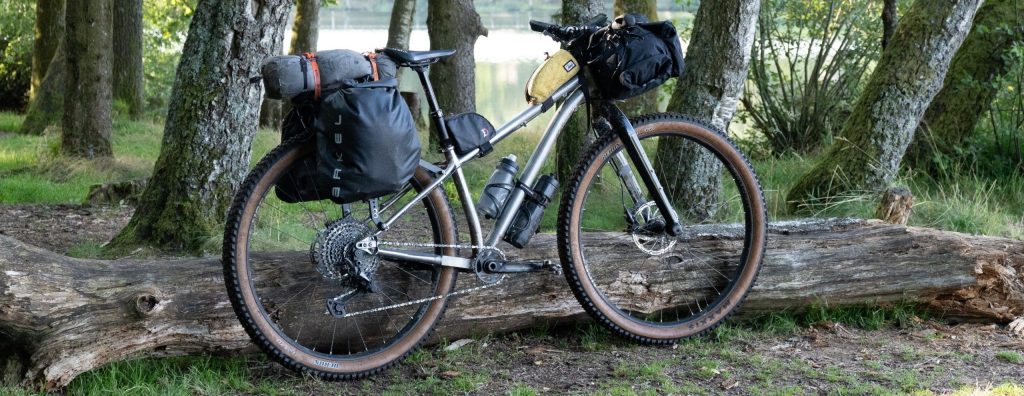
Riding a loaded bike requires you to adapt your riding style. The extra weight affects the bike's stability, handling and responsiveness, especially on downhill or technical trails. It's a good idea to practice riding with a loaded bike before setting off for several days.
Start with short rides, test different load distributions and learn to anticipate braking, turns and changes of direction. A good balance between flexibility and control will make all the difference when the terrain gets rougher!
The main skills to practice
- BrakingA heavier bike necessarily means a slightly longer braking time. Anticipate and take the time to brake in advance, avoiding sudden jerks if possible. Always use the front brake a little more than the rear brake to prevent the rear wheel from skidding... without completely blocking the front brake, which could send you flying over the handlebars!
- PedalingThe weight of the bike can become difficult to manage, especially when climbing. To avoid fatigue building up in the legs, it's best to pedal more slowly, at an easier gear ratio, to avoid pushing too hard.
- Field reading: a surface of gravel, clay, mud, sand or rocks requires a different approach. Observing the texture of the ground, adjusting tire pressure and choosing the right trajectory are reflexes that become more refined with practice. Keeping your eyes forward to better anticipate obstacles, staying relaxed on the bike and letting it move according to the terrain will all contribute to greater stability and fluidity.
Luggage weight distribution
Organizing your gear in bags and positioning them correctly on the bike maximizes comfort, accessibility and safety. A heavier bike may require you to adjust tire pressure.
Preparing body and mind
Mental preparation must not be neglected. Adventure biking (bikepacking) can be discovered in stages.
If you have little outdoor experience or an anxious temperament, it's a good idea to start out with a short overnight stay on a known itinerary, before gradually increasing the length and complexity of your adventures. This progression will build the confidence and experience needed to handle the unexpected with serenity. It's best to stay in your comfort zone and gradually build up your skills as you go.
Progressive physical preparation is an essential investment for getting the most out of an adventure bike expedition. Accumulating outings of increasing duration builds endurance, accustoms muscles and the gluteal region to prolonged effort, and reduces the risk of injury.
These outings are also an opportunity to adjust your position on the bike, test different load configurations and fine-tune weight distribution. This sustained approach fosters a better understanding of one's limits, preferences and the way one's body reacts to adventure.
It's advisable to plan your training sessions taking into account the type of terrain, the gradient and, above all, the extra weight of a loaded bike, in order to develop the riding skills specific to adventure biking.
- Managing effort and pace: off the beaten track, the distance covered and the duration of outings can be long. Knowing how to dose your energy is essential. Adopt a regular pace, eat and drink before you feel hungry or thirsty, and take time to recuperate during breaks. Managing effort is also a question of mental conditioning: moving forward slowly, but surely.
- Handling your loaded bike on foot: Some sections may be too steep, muddy or rocky to pedal. Knowing how to walk while pushing or carrying your bike is an integral part of adventure biking. Learning how to position your body during these forced walks, in particular to keep your balance with your bike loaded at arm's length and avoid fatigue or injury, is one of the skills to be acquired with experience. It's all part of the trip: you might as well make the most of it and enjoy the scenery even more.
Developing your independence
Learning how to read a map, how to use your equipment effectively, how to manage your clothing and diet, how to repair your bike or dress an injury are all skills you'll need to develop as the itinerary moves deeper into the hinterland.
Managing moisture on your clothes and equipment, especially if you're sleeping outdoors. It's best to set up your bivouac as soon as you arrive, especially if the skies are uncertain. It's better to anticipate rain than to have to pitch your tent in the middle of a downpour. Keep your belongings in waterproof bags until you've got everything set up, so they stay dry.
In the morning, if it's raining, first pack your clothes and sleeping bag in waterproof bags before dismantling your tent. If it's wet, isolate it in a plastic bag so as not to get the rest of your belongings wet. You can always dry it later, as soon as the weather permits.