
Choosing your first mountain bike
There's no such thing as the perfect bike - just the one that's right for you. This guide is designed to give you an overview of what you need to consider when buying a bike.
It allows everyone to ride with confidence on specially designed trails. The bike features wide, straight handlebars, a sturdy frame, knobby tires, suspension (single or double), powerful brakes and a transmission that facilitates gear changes.
Mountain bikes fall into four categories: cross-country, trail, enduro and downhill. They all originate from a racing discipline, and are specialized to meet the demands of the sport. All but the mountain bike trail!
Bicycle cross-countrythe uphill specialist
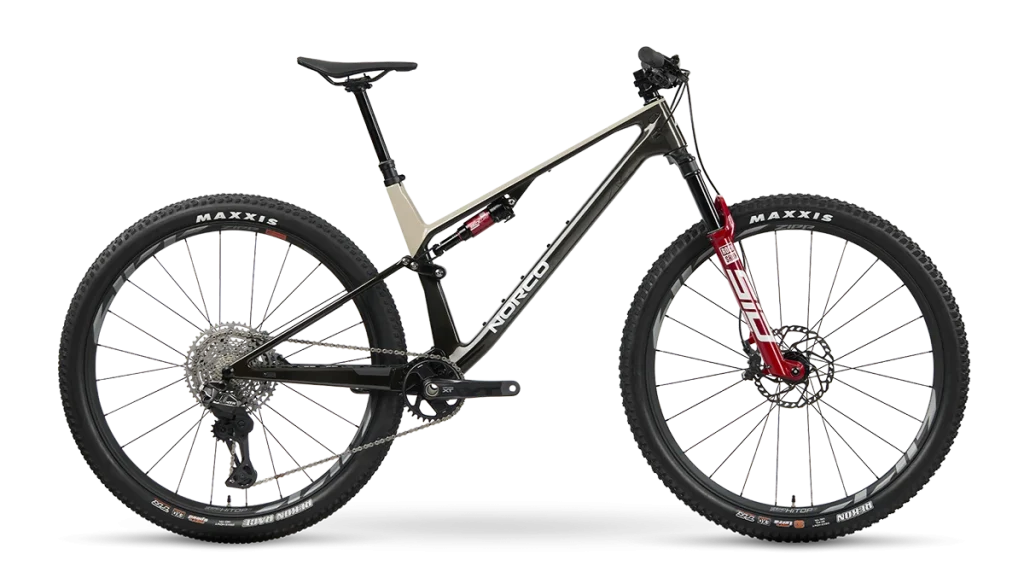
The discipline of cross-country is the most widespread in Quebec. Having been an Olympic discipline since 1996, the competitive side of the sport is highly developed. Practised on hilly terrain, this discipline demands endurance, agility and speed, qualities that everyone can develop at their own pace. The fun comes from the continuous movement and physical challenge of the courses.
The bike from cross-country is designed to be light, agile and efficient when pedaling. As a result, its fork will have shorter travel, often from 80 to 120mm, to absorb trail irregularities while keeping the bike responsive and responsive. In short, everything is designed to keep the bike's weight down without compromising power.
Bicycle trailthe ultimate initiation frame
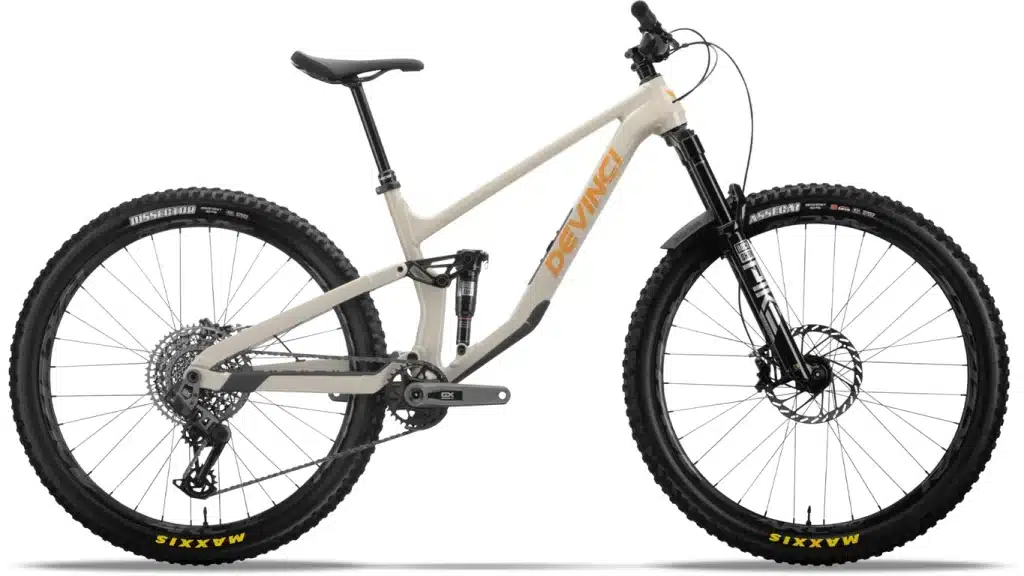
As it is not linked to any particular discipline, the trail is distinguished by its versatility. The perfect choice for those who want to do it all: climb efficiently and enjoy the descents without too many technical constraints.
Bikes from trail are designed to offer a stable, reassuring ride on a wide variety of trails, with a suspension fork with 130 to 150 mm of travel providing grip and control. A true jack-of-all-trades, these bikes prioritize comfort over performance: perfect for confident beginners.
Enduro bikes: the versatile in-between
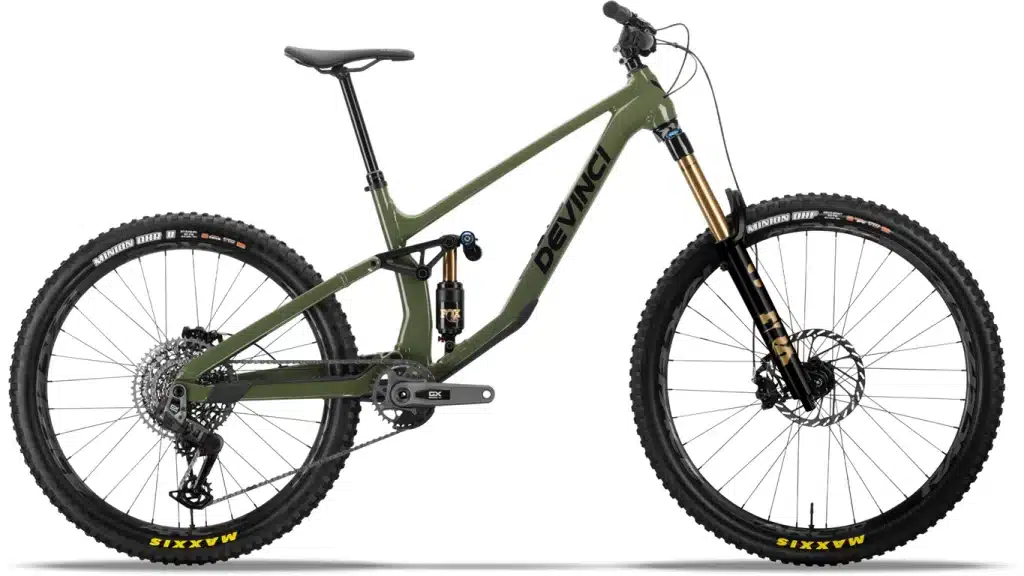
The enduro discipline has grown in popularity in recent years, particularly among those who mountain bike for pleasure. Derived from the world of motorcycling, the discipline consists in reaching a summit in order to obtain the reward of a long descent. The pleasure comes from the mix of effort on the climb and technical ability on the descent.
Long descents mean muscle fatigue. That's why enduro bikes are better able to absorb obstacles and steep inclines. Typically equipped with forks with 150 to 180 mm of travel, they are better able to absorb impacts, maintain contact with the ground and offer greater control and stability on descents. Although enduro bikes are oriented towards downhill riding, they are still versatile and capable of pedaling long distances. They are, however, heavier and less efficient at pedaling uphill than bikes with shorter travel, since they are primarily concerned with confidence, comfort and performance in technical sections.
Downhill bikes: the downhill specialist
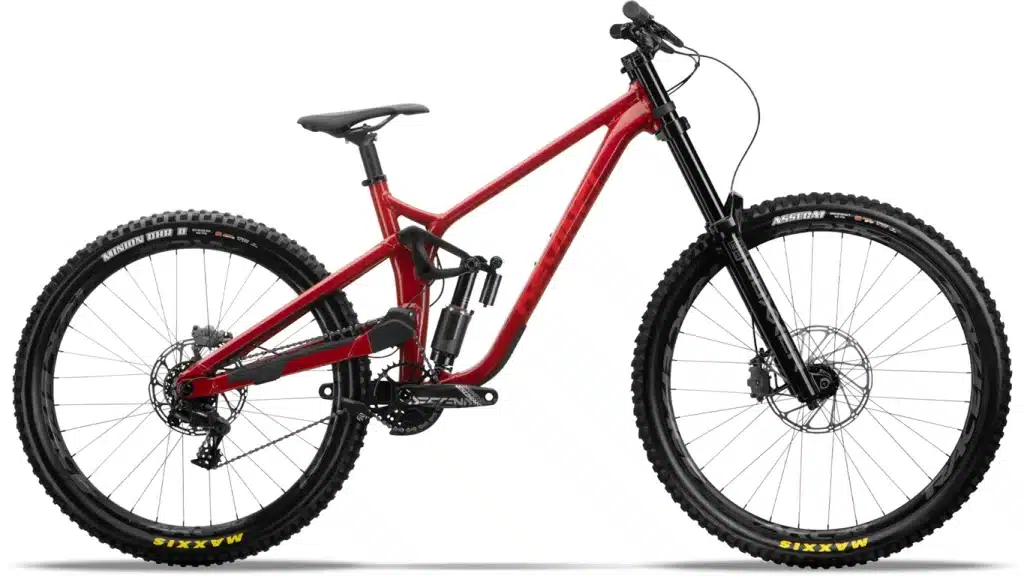
Downhill skiing is enjoying a renaissance in Quebec. Many ski resorts now open their lifts to people who prefer to concentrate on the downhill action rather than the uphill. The pleasure comes from the intensity and adrenalin it provides.
Downhill bikes are heavier, sturdier and specially designed to cope with steep slopes, large obstacles and repeated high-speed impacts. Typically equipped with forks offering 180 to 200 mm of travel, they maximize shock absorption, ground contact and stability in highly technical sections. This long travel also increases the rider's margin for error and reduces fatigue on long, hard descents. On the other hand, these bikes are poorly suited to pedaling: their weight, geometry and suspension focus primarily on downhill performance, making them harder to pedal and handle.