
Hydration and nutrition when cycling
Hydration and nutrition are the cyclist's fuel: they sustain energy, concentration and the pleasure of riding.
On the road, in gravel or on the trail, needs vary according to duration, intensity and weather. So whether you're on a short ride or a long adventure, keeping well hydrated and nourished makes all the difference. Here are some simple tips to help you prepare for your next outing and keep your energy up from start to finish.
Keeping well hydrated
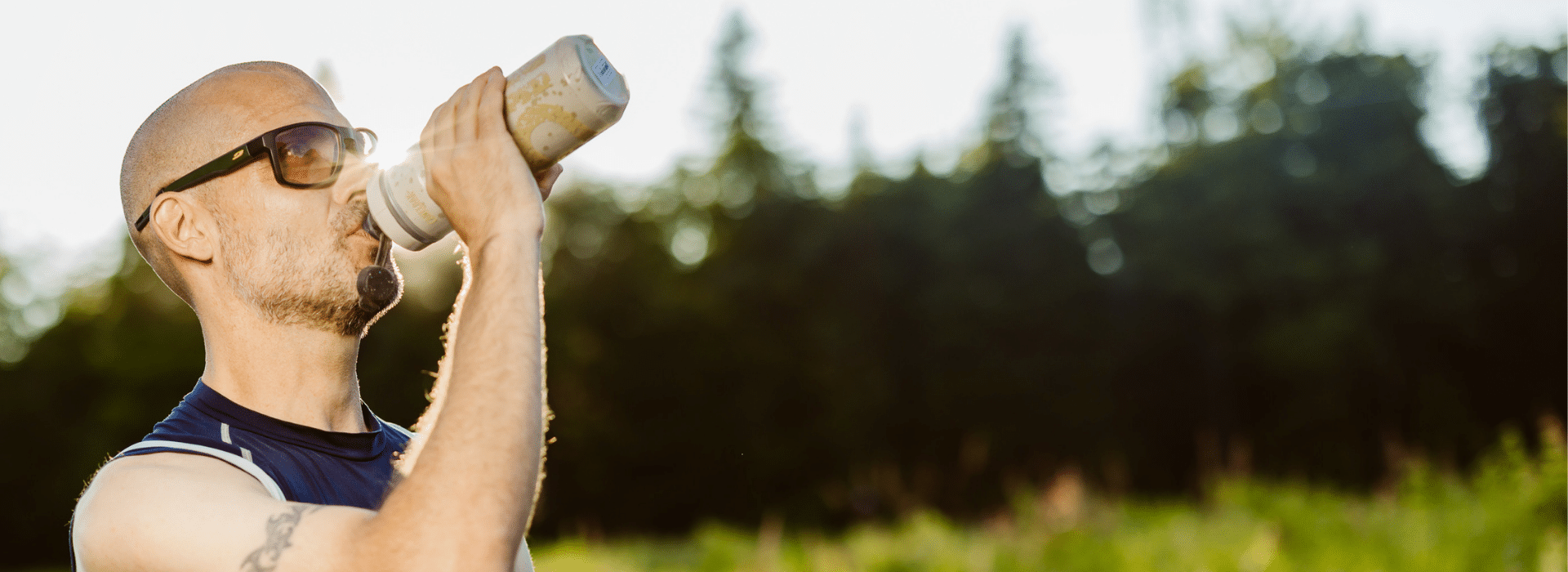
Hydration is the basis of well-being and recovery when cycling. Drinking enough is the simplest and most effective way to get the most out of your activity.
- Drink often, in small sips.
- Anticipate where to fill your bottles.
- Adjust quantity according to duration and heat.
- Replenish minerals during prolonged exertion.
How much to drink?
The quantity varies according to the duration, the temperature and the’intensity effort. Here's a simple rule to get you started:
- 1h30 and underWater alone is enough. Remember to drink before you leave. Bring between 500 ml and 1 liter of water.
- 1h30 to 3h: alternate between water and electrolytes, especially if you sweat a lot. Plan to drink between 1 and 2 liters of water.
- 3h and more: Drink regularly and add electrolytes to compensate for mineral losses. Allow 2 liters or more of water.
Before you leave :
Drink a large glass of water about 30 minutes before setting off to ensure proper hydration, especially in hot weather.
After release :
Continue drinking to replenish lost fluids and minerals. L’ater is still the best option, but if you've sweated a lot, a drink containing a little salt or electrolytes will help you recover more effectively.
Water alone or with electrolytes?
During prolonged or intense exercise, water alone may not be enough. Sweating leads to a loss not only of water, but also of essential minerals (sodium, potassium, magnesium), which can cause cramps, fatigue or headaches.
Solutions to compensate for mineral losses :
- Use ready-to-use electrolyte powder.
- Prepare a homemade mixture: a pinch of salt, a little maple syrup and lemon juice in water.
«Drinking regularly» does not mean «when you feel thirsty.»
A simple rule: a few sips every 15 minutes or so.
Feeding
Eating well on a bike supports the effort and pleasure of riding. The right diet helps to extend the duration of your ride, avoid energy dips and improve recovery.
The timing of feeding influences the regularity of pedaling and the maintenance of energy. With experience, you can adjust the quantities and types of food you eat to suit your personal needs. However, certain priorities are universal: never set off on an empty stomach, eat regularly during the ride and replenish your reserves at the finish.
The main principles
- Listen to body signals.
- Eat before you're hungry.
- Eat little, but often.
- Test different foods and select the ones that work best.
Before going out: refueling without heaviness
The pre-ride meal should provide sufficient energy while remaining easy to digest. Examples of balanced meals 2 to 3 hours before the activity:
- A bowl of oatmeal with banana and peanut butter
- Toast with egg and avocado
- Rice or pasta with a few vegetables and a source of protein (tofu, egg, fish, chicken).
It's best to eat a meal 2 to 3 hours before your activity, to allow time for digestion and avoid heaviness and discomfort during the ride. For an early-morning start, a light snack 30 to 60 minutes beforehand is sufficient.
- A banana
- An energy bar
- A slice of bread with honey or jam

Even on short outings, it's important to listen to your body. A well-chosen snack can make all the difference in maintaining your energy levels and avoiding the famous «energy crash». Here's a simple rule to get you started:
- Less than 1h30: no need to eat. Just drink water.
- Examples: water, possibly a banana or a bar if you are going on an empty stomach.
- 1h30 to 3h: opt for small, easily digestible snacks.
- Examples: bananas, energy bars, dried figs, compote, rice cakes
- 3h to 5h: eat approximately every 45 minutes. Alternate sweet and savory foods.
- Examples: bars, dates, small wraps, homemade muffins, nuts, cheese, sandwiches
- 5h and +: eat a regular and varied diet, combining sweet, salty and fatty foods.
- Examples: sandwiches, dried fruit, savoury cookies, small simple meals.
After your outing: recover well
Once you're home, remember to refuel within 30 to 60 minutes. A meal or snack rich in carbohydrates and protein helps replenish reserves and repair muscles. Take the opportunity to rehydrate well. This little ritual speeds up recovery and prepares your body for a new outing in good conditions.
- Banana, milk (or vegetable drink) and peanut butter smoothie
- Eggs and wholemeal bread
- Rice or pasta with vegetables and a source of protein
- Greek yogurt with fruit and granola