

Dealing with the unexpected on your bike
Cycling in the forest, in the countryside or in remote areas, like all outdoor activities, involves a degree of unpredictability. To limit the risks and know how to react in the event of a problem, you need to be prepared.
This is where the emergency measures plan comes in. Although it sounds dramatic, it's pretty simple to draw up and, above all, it aims to anticipate likely incidents and the measures needed to avoid them or prevent them from becoming a tragedy. Two frequent examples of incidents that most cyclists have to deal with at one time or another: a mechanical breakdown or a fall.
An emergency response plan answers three questions:
- What incidents might occur during my outing?
- How can I avoid them?
- What if they do happen?
Identify potential risks
Preventing risks means planning, getting informed, equipping yourself, maintaining your bike, respecting your limits and communicating as a group so that you can ride freely and safely.
The aim of risk management is to reduce the probability and severity of cycling incidents, particularly when riding on trails or in more remote areas. To do this, you need to be able to identify risk factors, i.e. any element that increases the likelihood of damage occurring or worsens its consequences.
External risk factors: the environment
Cohabitation with road traffic remains important, especially near cars, trucks and parked vehicles. In the countryside, farm vehicles are wide and need room to maneuver. Infrastructure can trap cyclists: access ramps, degraded pavements, development obstacles, steep descents, lack of shoulders and high speed limits.
The weather can change the situation in a matter of minutes, affecting visibility, effort and comfort; heat, cold, surface conditions, wind and precipitation require adjustments. Consult weather forecasts and cycling network advisories to choose a suitable outing and route.
In the wild, free-roaming dogs, biting insects, ticks (Lyme), irritating plants and pollen are other sources of risk. Self-inspection on return remains essential.
Equipment that is poorly maintained or unsuited to the terrain or intensity of the work increases the risk of breakage and falls.
Internal risk factors: people and group dynamics
Physical condition (illness, injury, fatigue, discomfort) affects judgment, lucidity and concentration. Emotional state and biases caused by group pressure, time pressure, overconfidence, groupthink or false familiarity can lead to poor decisions.
Finally, a lack of technical knowledge or skills translates into poor planning, inappropriate route choices and an inability to react in an emergency.
EMERGENCY MEASURES
Réseau plein air Québec provides you with templates for output plans and emergency measures plan (PMU) adapted to all outdoor activities, contexts and levels of complexity. All accompanied by information sheets for ease of use.
Minimizing risk
Before setting out, find out about the route, the weather, trail conditions and useful points of interest (bike stores, shelters, etc.). Although most networks offer factual information on their website or Facebook page, if you're riding through a controlled-use zone (Zec) or park, you should contact the people in charge to find out about current trail or terrain conditions.
Before you leave, remember to draw up an exit plan and inform someone you trust of your itinerary, your planned departure time and your return time. Give him or her a map of the route or a GPS link. It's especially important when you're going solo, even for a short hike! To make sure you don't forget anything, here's a template of a exit plan.
Prepare a emergency measures plan (PMU) is to identify and prepare for actions to be taken in the event of an emergency. In an autonomous practice, often remote from external resources, where you are entirely responsible for your own safety, a detailed PMU becomes essential, as you may be your only resource in the event of an emergency. The PMU specifies the resources to be contacted and the procedures to be followed, depending on the emergency. To make sure you don't forget anything, here's a PMU template. emergency response plan.
Before setting off, it's essential to check cell phone coverage along the entire route, so that you can call for help if necessary. Depending on the duration of your trip, you may want to plan for communication in a white zone (an area where no terrestrial cellular network is available), using a GPS beacon or satellite messaging system such as Garmin inReach. Have everything you need with you in case of mechanical breakdown, injury, changing weather conditions or refuelling issues. Always have your itinerary at hand by downloading an offline version on your phone, or printing out a map if you're going to an area where the network is unavailable.
What to do in the event of an accident
Communicating in an emergency
Always keep electronic devices charged and protected from the cold, so you can call for help if you need it.
Basic knowledge of bicycle mechanics
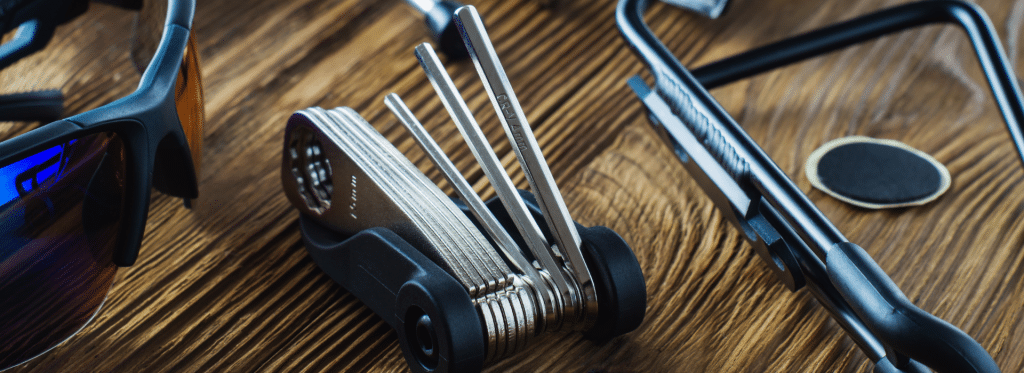
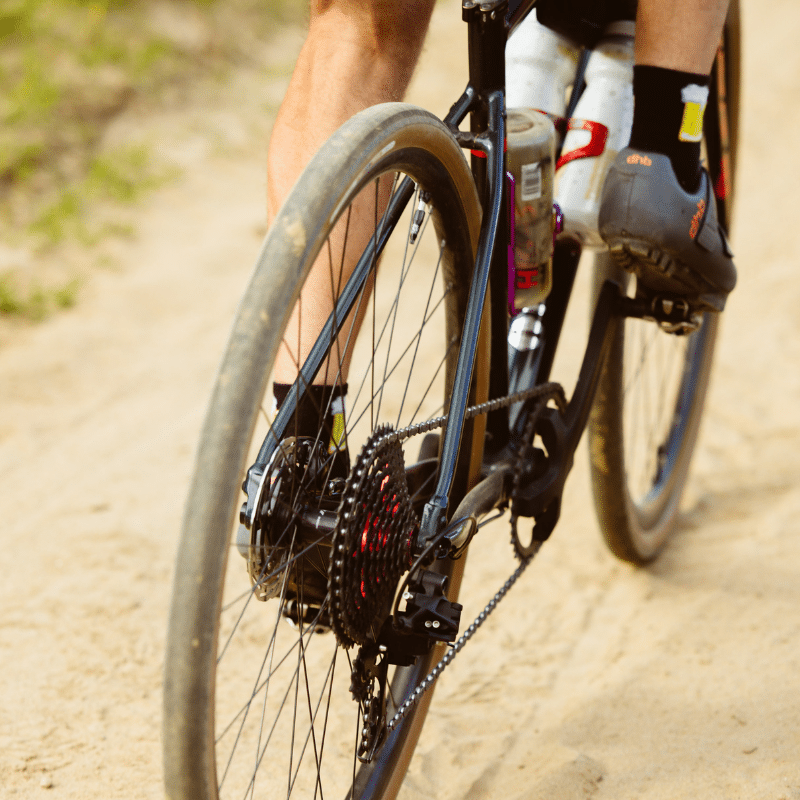
Knowing how to fix a puncture, put or repair a chain or adjust a derailleur can make all the difference between getting home on your bike or on foot. Don't hesitate to take a workshop or watch some tutorials before your first outings.
Keep your first aid knowledge up to date
A little knowledge goes a long way in helping you keep your cool and intervene effectively after a fall or injury. Basic training is an excellent investment, but if you don't have the time to take one, keep yourself informed about the right reflexes to adopt.