

Multi-layer clothing for cyclists
Enjoying the great outdoors, whatever the weather, isn't difficult when you've mastered the art of multi-layering.
This simple yet effective clothing system allows you to adapt your outfit according to the temperature and intensity of your effort. Here's how to put together your «sandwich» of layers to stay warm, dry and comfortable, whatever the weather.
The multi-layer system is the winning recipe for enjoying the great outdoors without shivering or overheating. The idea? Superimpose several layers that work together: one keeps the skin dry, another retains heat and the last protects from the elements. Simple, effective and, above all, adaptable to all conditions.
The base layer: your second skin
It's the first barrier against moisture. Directly in contact with the skin, the base layer must be:
- Comfortable and breathable to wick away perspiration
- Quick-drying
- Fitted, but without compression, to let air circulate and promote insulation.
To be preferred: synthetic fibers or merino wool, both excellent for moisture management.
To be avoided: cotton, which absorbs sweat and cools as soon as it becomes damp.
The mid-layer: the jacket that retains heat
The mid-layer adds insulation, retains heat to keep you warm and continues to wick moisture away from the body. Fluffy« fabrics, such as fleece, are good choices; they provide insulation without bulk. This is the layer that does most of the work in conserving body heat. Its qualities are:
- Breathable, to prevent overheating.
- Quick-drying, to avoid trapped humidity.
A model with a zipper provides ventilation during effort, while a hood helps retain heat during breaks or downhill. Synthetic, wool or technical fabric: the choice depends on the season, the temperature and your level of activity.
Don't neglect the importance of this layer, even in summer, especially during breaks and in the event of an unwanted prolonged stop, after a break or a fall, for example.
The outer layer: the protective shell
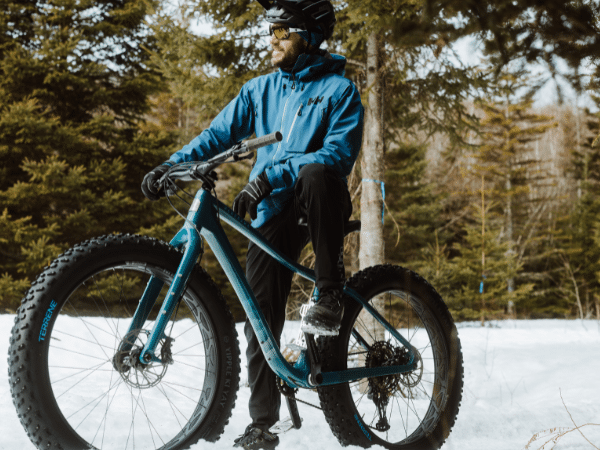
The outer layer is the first barrier against the elements. Depending on the climate, choose windproof, waterproof or hybrid protection. It must remain breathable to allow moisture to escape from the inner layers. Its cut should overlap easily at the base and mid-layer, without excess fullness, to limit heat loss while preserving freedom of movement.
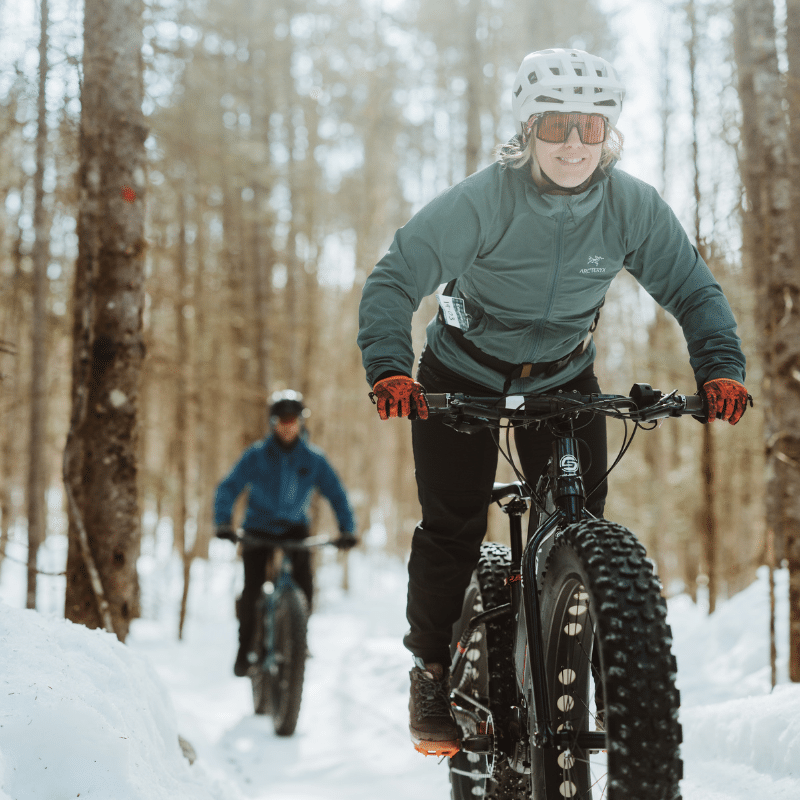
Although the multi-layer concept applies more naturally in winter, it is just as effective in all seasons to cope with changing weather conditions or prolonged downtime.
- Adapt to intensity of activitythe more sustained the effort, the less insulation you need.
- Don't underestimate the effect of wind and humidity on body cooling. It's best to cover up as soon as you start to shiver, then remove a layer as soon as the heat returns.
- Start freshThe heat comes on quickly when you exert yourself.
- Provide a warm, dry layer for breaks or the return journey.
- Protecting extremities (hands, feet, head) as these parts cool down faster.
When it comes to multi-layer clothing, balance is everything. Too much coverage, and you'll sweat; not enough, and you'll shiver. The ideal is to observe, adjust and learn to listen to your body. Once you've found the right combination, everything becomes simpler: get out, move, enjoy. Rain or cold is just another detail to add to our stories!