
Dressing well in fatbike
«There's no such thing as the wrong temperature, only the wrong clothes» is a popular saying. In reality, it's mainly the choice of materials or poor heat management that causes discomfort.
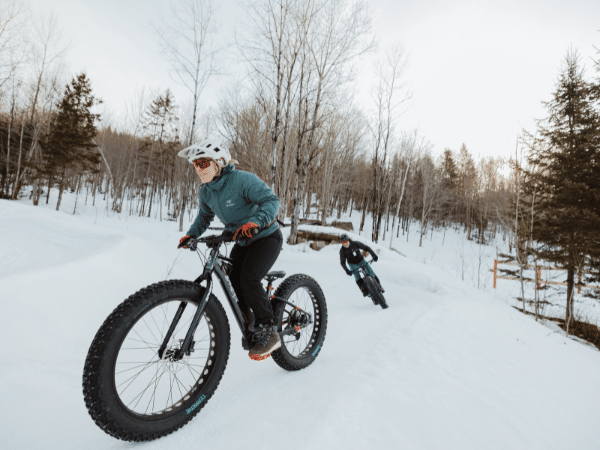
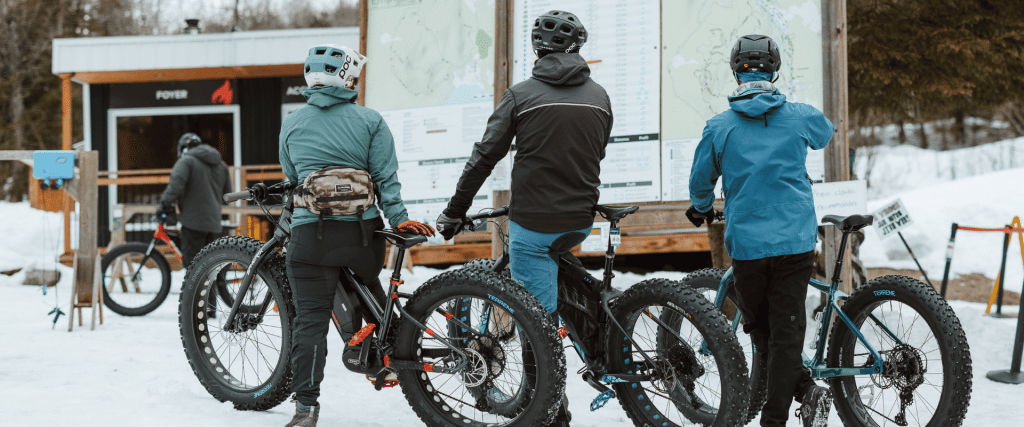
Choosing the right clothing is one thing. Knowing how to manage your body temperature is essential. With a few basic items of clothing and a few simple tricks, it's possible to ride comfortably, even in cold weather. In addition to cycling fatbike does not require a lot of specialized equipment:
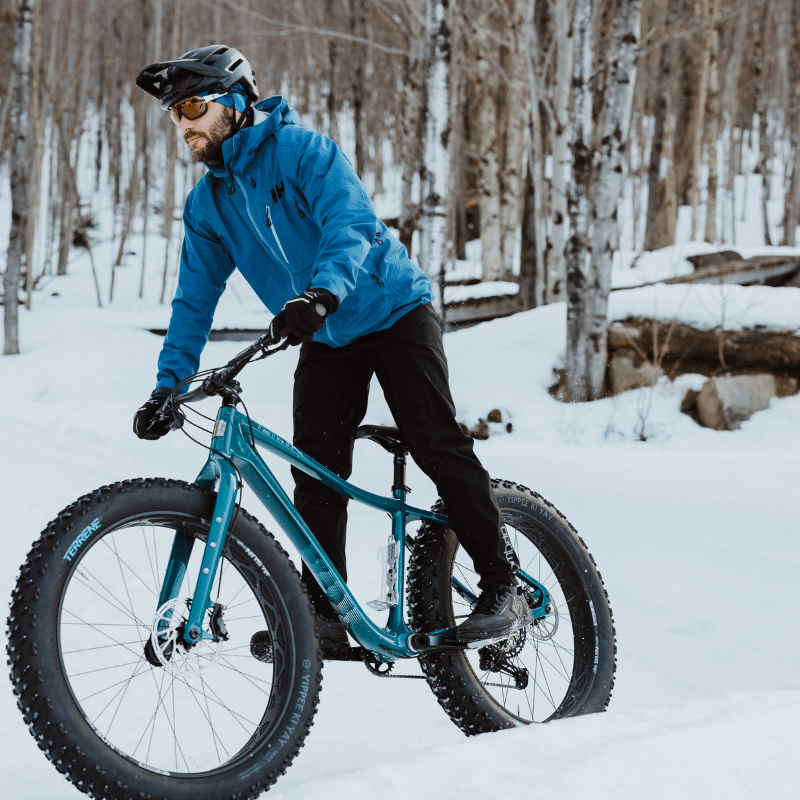
- a bicycle helmet
- a thin tuque without the pompom covering the ears
- a neck warmer
- from glasses
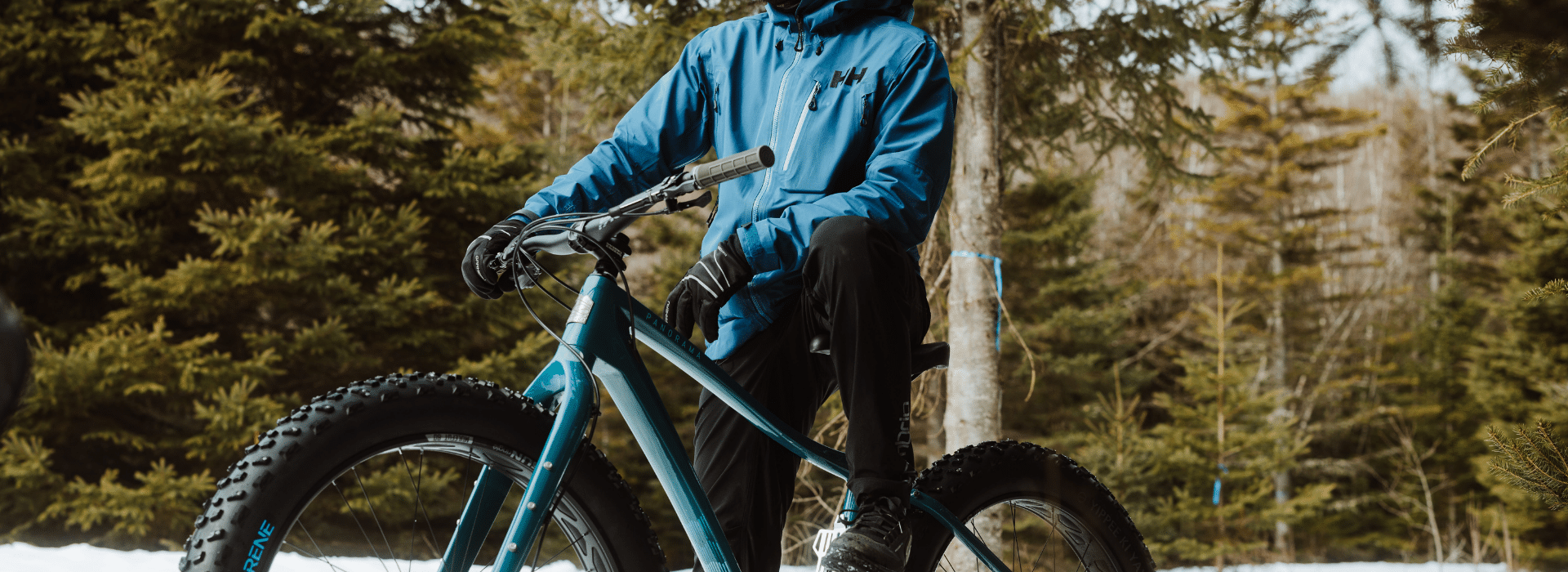
- a coat and pants suitable for winter sports such as cross-country skiing
- from mittens
- from boots hot
- a chamois increases comfort on long hikes, but is not essential for beginners.
Everyone is different, so there's a certain amount of trial and error involved in finding the perfect combination for you. Don't hesitate to borrow technical clothing from a friend or family member to try before you buy.
- Avoid cotton, which retains moisture.
- Opt for a coat that doesn't come down over the buttocks, to maintain full freedom of movement.
- Avoid tight-fitting clothing, as it impedes blood circulation. Each layer should fit over the other without compressing the body.
- Always leave with dry clothes: get dressed just before the activity (a few minutes in the car is enough to create humidity that will chill you as soon as you step outside).
- Bring a change of clothes for the return trip.
Enemy number 1 is not the cold, but humidity!
Feeling a little cold at first is normal, even desirable. But be confident: your body warms up quickly once you're moving. Above all, avoid sweating and wetting your clothes, especially your upper body and extremities. The secret: gradually adjust your clothing, take off or put on layers, open or close a zipper, even if it means stopping often.
Take into account the weather (wind, temperature, precipitation), as well as the length and intensity of the activity, when choosing your clothing. It's better to layer several thin layers of clothing than to rely on a single warm coat or pair of snow pants. Winter clothing may be suitable for a short outing at moderate speed, for example with the kids.
Pamper your extremities
Keeping your head, hands and feet warm often determines your comfort during activity.
Head
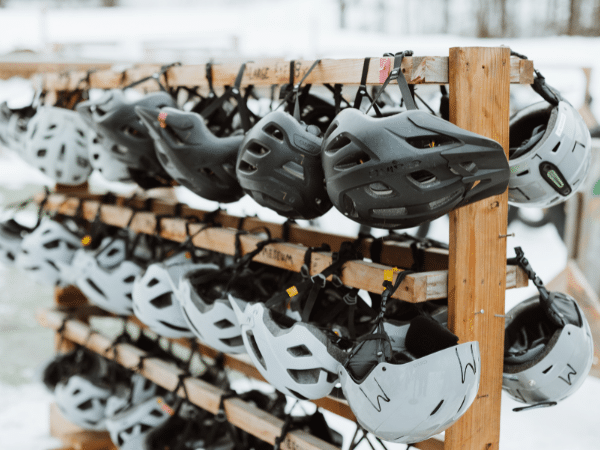
Por a bicycle helmet, a thin tuque without the pompom covering the ears and a neck warmer is all you need to keep your head warm. In very cold weather, a ski helmet is a good option. Sunglasses or ski goggles are recommended for protection against wind, cold and UV rays.
Hands
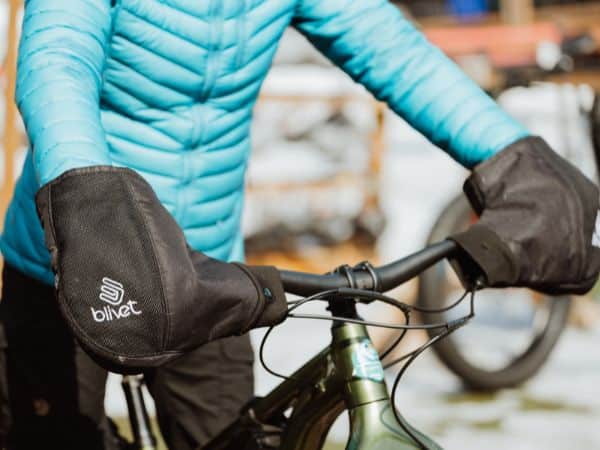
Opt for warm mittens, even if they are less practical than gloves for riding. There are other specialized alternatives, such as 3-finger gloves or mittens (accessories attached to the handlebars to protect hands from the elements without impeding access to brakes and gearshifts). The addition of merino or heated under-gloves is also a great option.
Feet
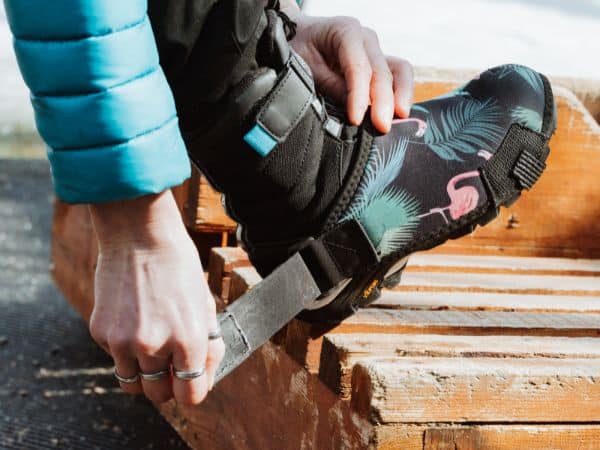
Choose warm, heel-less boots and socks made of moisture-absorbing fabric (avoid cotton). It's possible to wear 2 pairs of socks, if the boots are not too tight. Other alternatives include heated socks or insoles, or neoprene overshoes that cut the wind and retain heat.