

 © Jonathan B. Roy
Indigenous Territories
For Indigenous Peoples, the land is much more than just a geographical area or a piece of property. The connection to the land continues to shape the worldview and history of Indigenous Peoples today. It is the cornerstone of their cultures, knowledge, oral traditions, and ways of life, which are directly rooted in the landscape, the waters, and the seasons.
Eleven (11) Indigenous nations (10 First Nations and the Inuit Nation) inhabit the territory of Quebec. These nations are divided into more than 55 communities and territorial entities. Their different relationships with the territory provide insight into their realities:
- A ancestral territory (or traditional territory) refers to the lands, waters, and resources that Indigenous peoples have occupied, used, and maintained since time immemorial, before the arrival of Europeans. These territories are deeply connected to the identity, cultural practices, and ways of life of Indigenous communities. In Canada, certain ancestral rights related to the use of these territories are recognized and protected by the Canadian Constitution.
- A reserve is a term inherited from the colonial era that is used to refer to a parcel of land belonging to the Crown and set aside for the use of an Indigenous community. Although still in use in administrative and legal contexts, this term has pejorative connotations.
- A Indigenous community is the preferred term; it is used to refer to a place inhabited by a group of people living on a specific piece of land who identify with a shared family, cultural, and historical heritage.
- A institution refers to a parcel of land where an Indigenous community resides, but which does not have the legal status of a federally administered reserve. This term is rarely used; once again, the term “community” is preferable.
- A contracted land refers to the northern treaties that grant the Eeyou (Cree), Inuit, and Naskapi specific rights and certain exclusive uses over vast northern territories.
It is best not to refer to the administrative divisions inherited from the colonial era, but rather to specifically name a community and its nation to indicate its territorial affiliation.
Am I allowed to ride my bike there?
Several communities welcome non-member visitors and allow cyclists access to their territory. That said, Band Councils have the authority to regulate access to reserve lands. If in doubt, check the communities’ websites or contact local tourism offices for more information.
Keep in mind that community-based tourism helps bring Indigenous and non-Indigenous people closer together and offers wonderful opportunities for cultural exchange when it highlights the initiatives of community members.
When it comes to ancestral lands, it’s very likely that you’re already cycling through them! Learning about the communities near your routes is part of a respectful approach to learning.
Where to stay?
Quebec Indigenous Tourism promotes numerous local tourism experiences and lodging options.
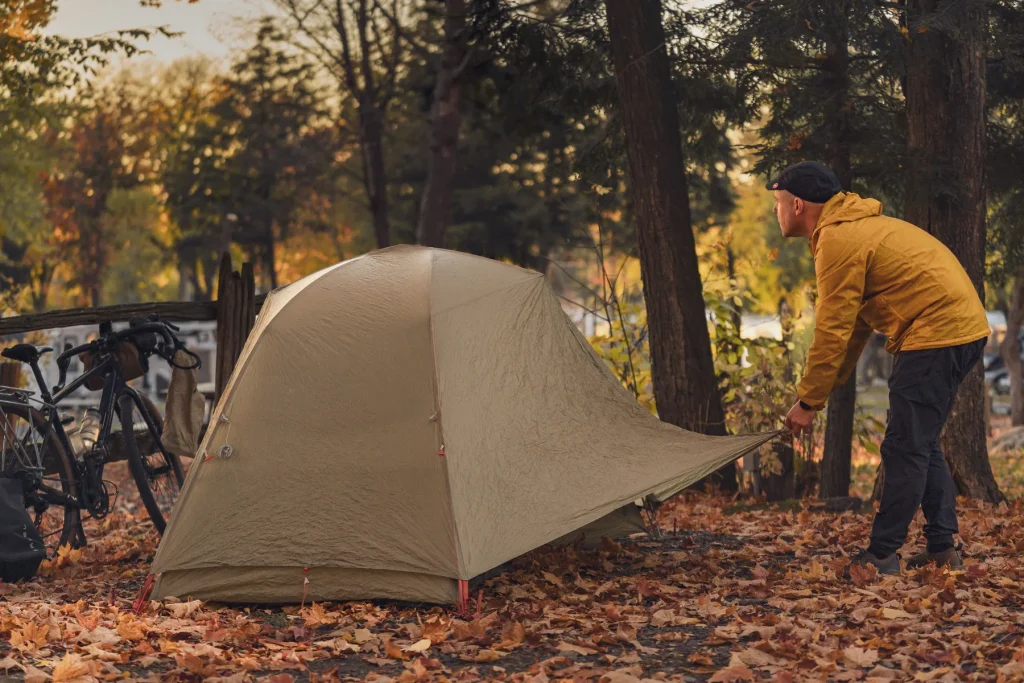
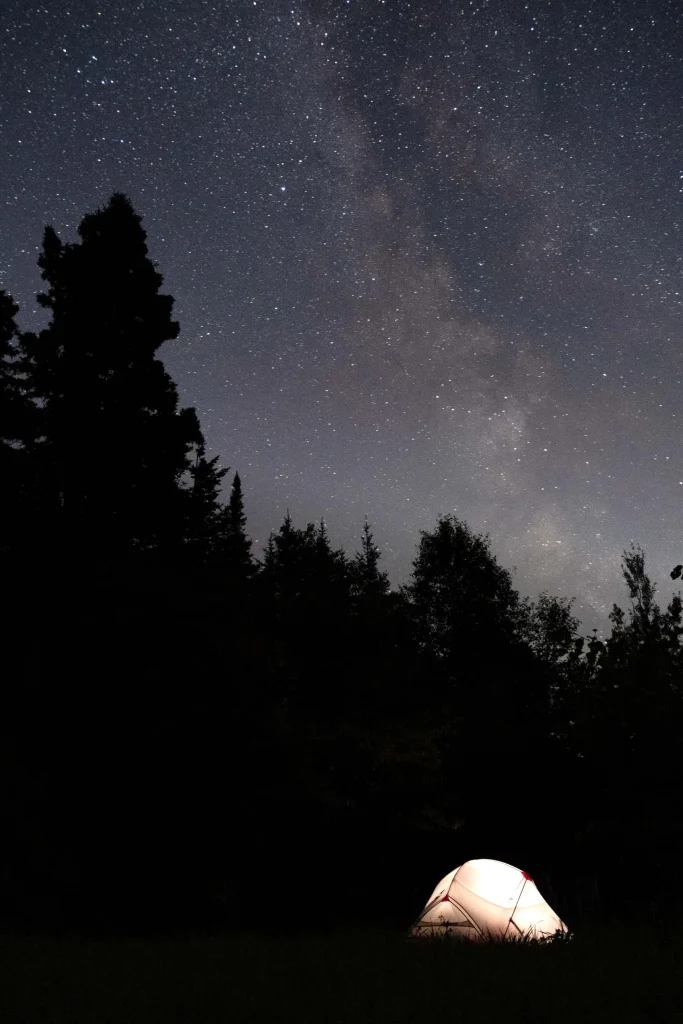
Unless local authorization is granted, camping outside designated sites should be avoided within communities, out of respect for the importance of natural areas. Camping options can be discussed with members of local communities.
Other Considerations
Powwows are annual cultural gatherings where non-Indigenous visitors are often welcome! Held throughout Quebec from May to September, they offer great opportunities to explore a community near you by bike. For details on these events, check the calendar for the Pow-Wow Route from Tourisme Autochtone Québec.