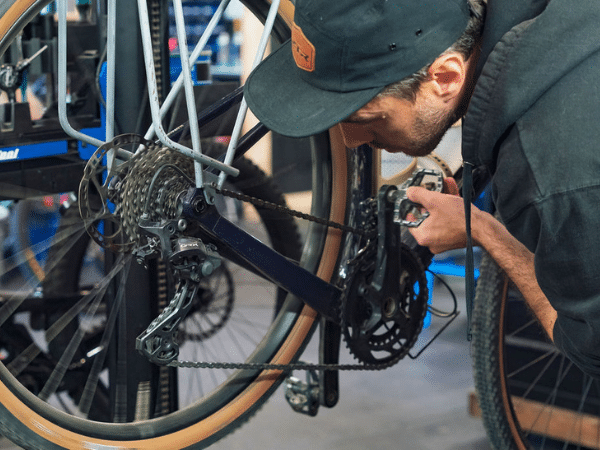


Maintaining and repairing your bike when you travel
Bicycle touring and, more often, adventure biking, are often far from services.
Depending on the itinerary you choose, you may even find yourself completely self-sufficient for a shorter or longer period of time. Not to mention the fact that riding for long periods, in often varied conditions, puts mechanical parts to a severe test: they wear out more quickly and are more likely to break.
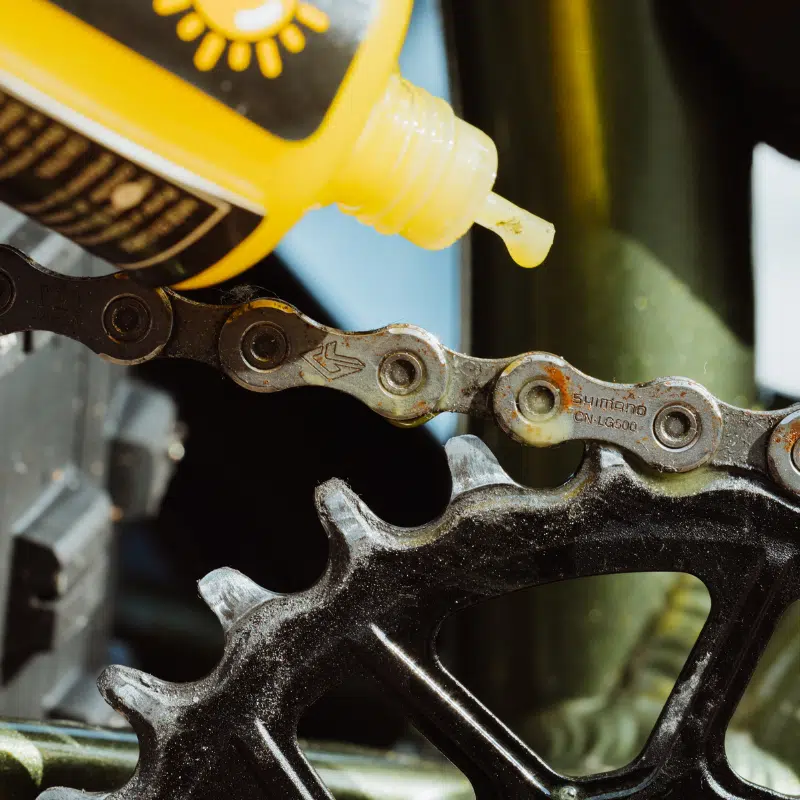
To avoid minor mechanical problems turning into major hassles, it's essential to set off with a well-maintained bike. Preventive maintenance before setting off, either by yourself or by a professional, is highly recommended, especially if your bike hasn't been ridden in a while.
Regular maintenance throughout your adventure will save you a lot of trouble. After all, your bike is your best partner on the road: it too deserves a little attention so that your journey can continue unhindered!
To limit the risk of mechanical damage, it's important to establish a small inspection routine, so that you can prevent it rather than suffer from it.
Every day
- Proceed to a complete bike check.
- Check the condition of wheels and tires (presence of rim dents, absence of debris, spoke tension, air pressure check).
- Cleaning up excess sludge or dust with a small brush or an old toothbrush, paying particular attention to the transmission (chain, cassette, chainrings).
- Lubricate chain if necessary.
The three days
- Evaluating brake pad wear, especially if you're riding in the rain, on sandy roads or in the mountains.
- Tighten screws, This is particularly true of luggage racks and bag holders. Prolonged vibration can sometimes loosen them, leading to breakage.
Managing the most frequent mechanical breakdowns
Despite all precautions, mechanical incidents can still occur. By making sure you have the knowledge and equipment to deal with them, you'll stay in control of your adventure, even in the event of a glitch. Here are the most common breakdowns encountered on a bicycle trip.
Frequent:
- Puncture
- Ill-adjusted derailleur
- Brakes to be adjusted or pads to be replaced
- Screw loose
Rarer, but possible:
- Broken chain
- Torn tire
- Twisted or broken spoke