
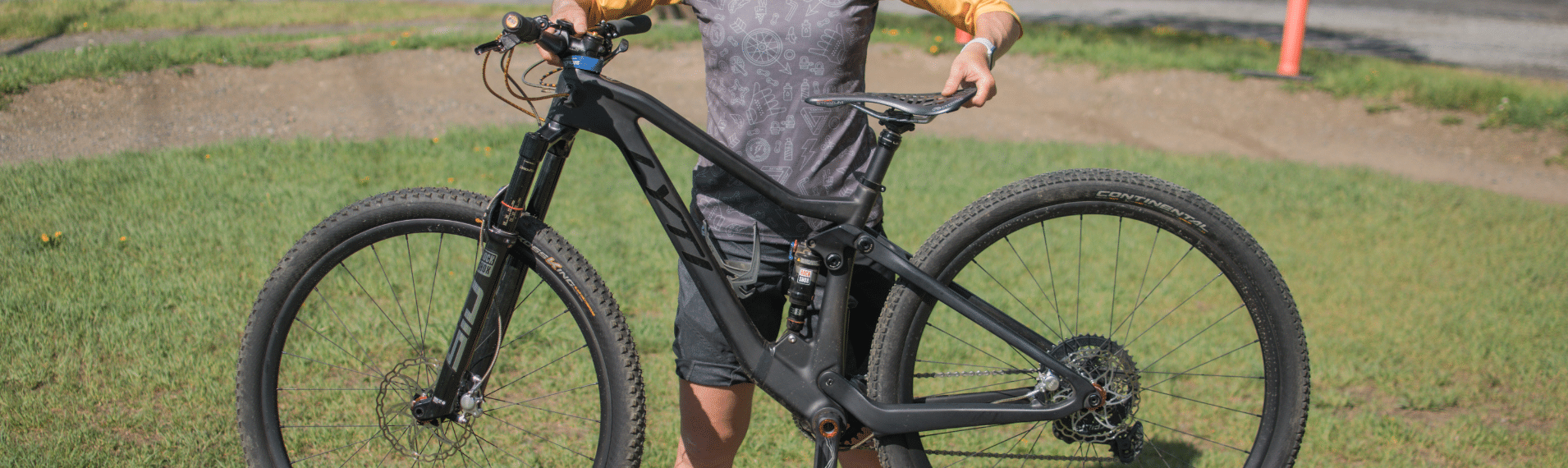
5-point mechanical check
Regular maintenance is the key to getting the most out of your bike and extending its life.
Over time, dust, mud and road debris can damage parts, reduce performance and increase the risk of breakdown. There are several ways to carry out this check. The ABCDV method is quick and easy, takes no more than five minutes and can be applied to any type of bike, whether mountain, road, gravel or touring. It guides you step by step through the essential points before each ride. This little ritual not only saves you money, but also ensures safer, more enjoyable and longer-lasting travel.
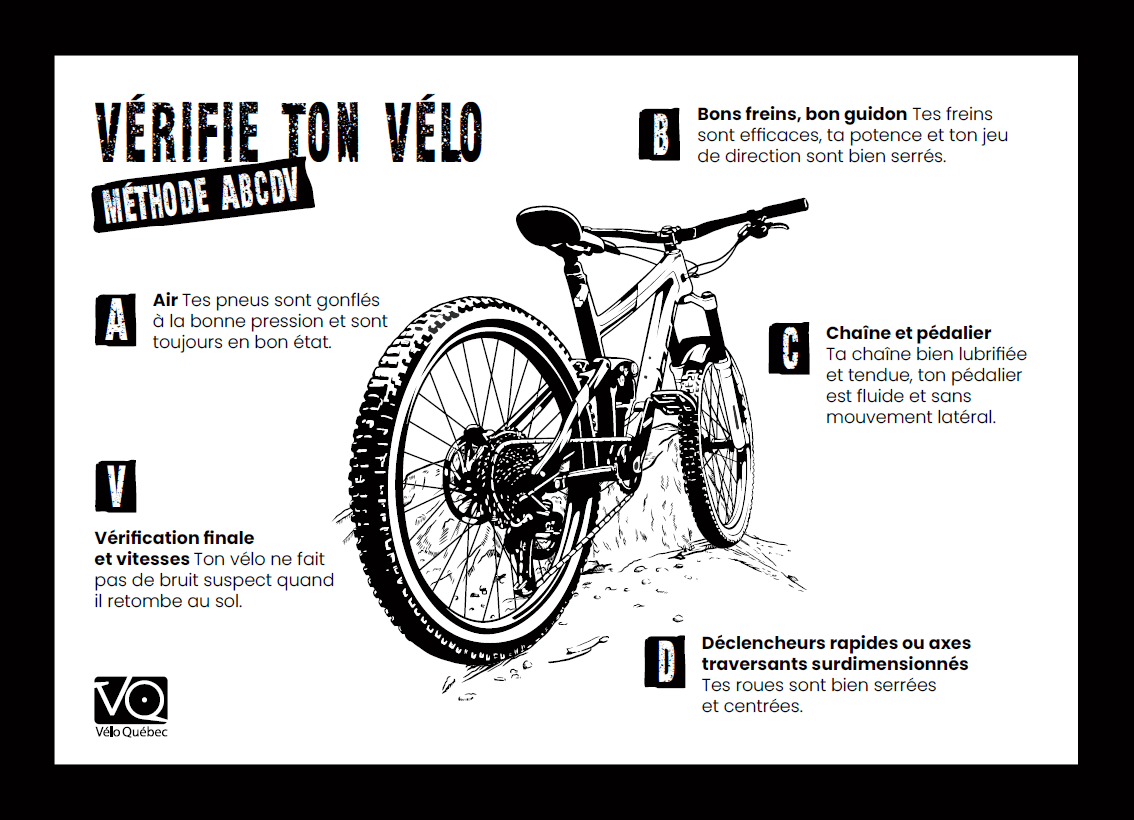
The ABCDV method
A - Air (tires)
Because it's normal for tire pressure to drop gradually, it's essential to check it regularly. Having «the right» air pressure in your tires optimizes your speed, comfort and traction, while reducing the risk of punctures.
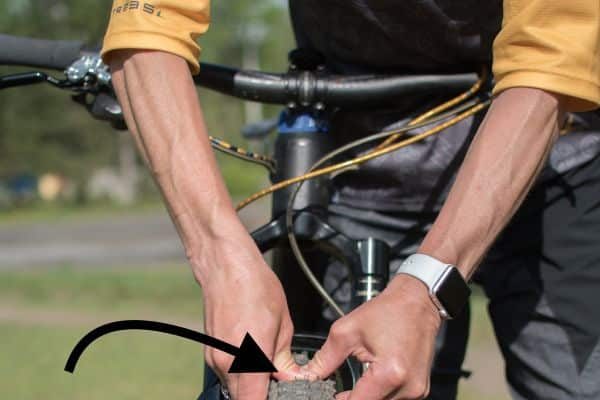
- Check tire pressure. To check that they are sufficiently swollen, pinch them between your thumb and forefinger.
- Inflate your tires if necessary. Ideal tire pressure varies according to wheel diameter, tire width, rider weight, type of tread and driving preferences. When in doubt, refer to the pressure scale (PSI min. - max.) indicated on the tire, and correct if necessary.
- Inspect for wear and cuts on your tires.
B - Good brakes, good handlebars
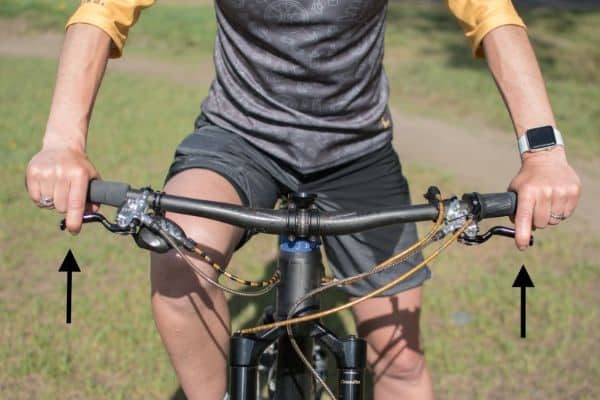
- Lever position. Make sure you can reach the levers easily and effortlessly. When braking hard, there should be about two fingers' space between the lever and the handlebars.
- Braking efficiency. Check the response of each brake. First apply the front brake by pushing the bike forward. The front wheel should lock and the rear wheel lift. Then do the same with the rear wheel.
- Stem and steering strength. Make sure that the handlebars and stem are tight (steering) and that there is no play, either left to right or up and down. To do this, wedge the front wheel between your legs and try to rotate the handlebars firmly. If everything is tight, the handlebars should not move. If the bike is fitted with a suspension, squeeze it to make sure it's unlocked and functional.
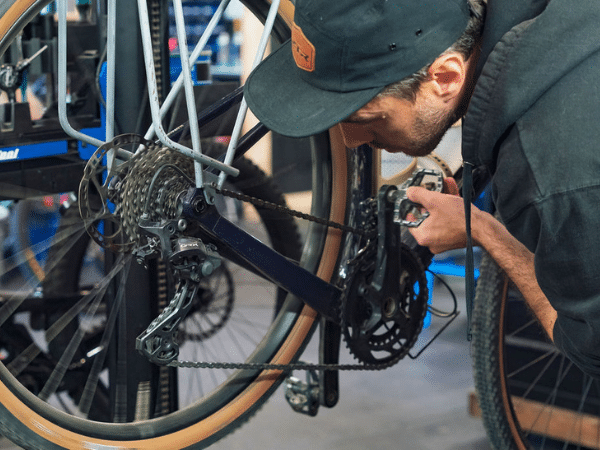
C - Chain and crankset
The chain must be correctly positioned and clean. It must not jump or show signs of excessive wear.
- Make sure that your chain is sufficiently lubricated. Check chain tension, which should be neither too tight nor too loose.
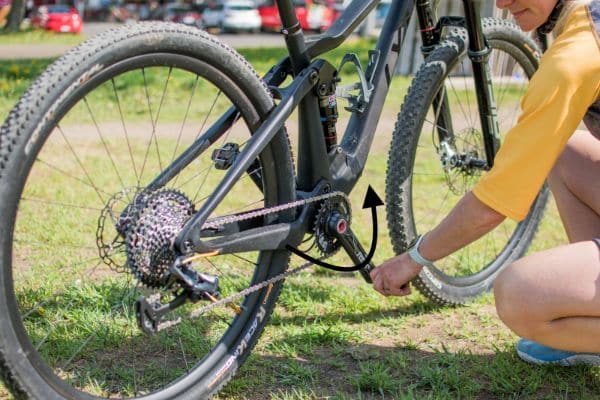
- Check for lateral movement in the bottom bracket or pedal axle.
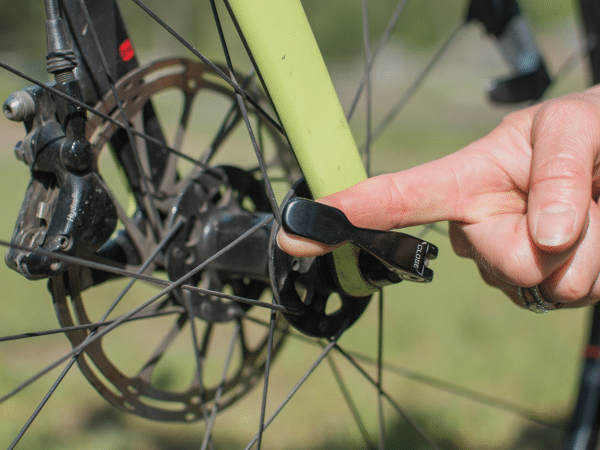
D - Oversized quick releases or through-axles
- If your bike is fitted with wheel or seatpost quick-releases, make sure the levers are firmly engaged.
- Lift the bike by the saddle, then shake the wheels to make sure they're centered and securely fastened.
V - Final check and speeds
- Lift the bike about ten centimetres off the ground by grasping the saddle and handlebars to check for play, then let it drop back down. You shouldn't hear any rattling; if you do, this may indicate the need to tighten certain parts.
- Turn the wheels to check that the axles are straight and that the brakes are not rubbing.
- Check that the gears shift smoothly from one to the other, without jumping or making unusual noises. The chain should slide from sprocket to sprocket in a quick, precise motion.