
Basic cycling equipment
Whether you're heading out on trails, snow, gravel or more remote paths, it's best to plan for a minimum of autonomy, even for a short time. What to pack without overloading yourself?
Here's a concise list of essential equipment for dealing with the most common contingencies: mechanics, orientation, supplies or first aid. Obviously, this basic kit can be adjusted according to the type of activity, the time spent outdoors and your preferences.
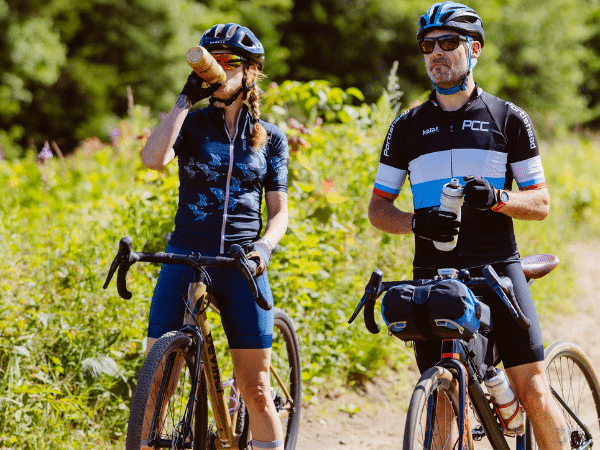
Energy management
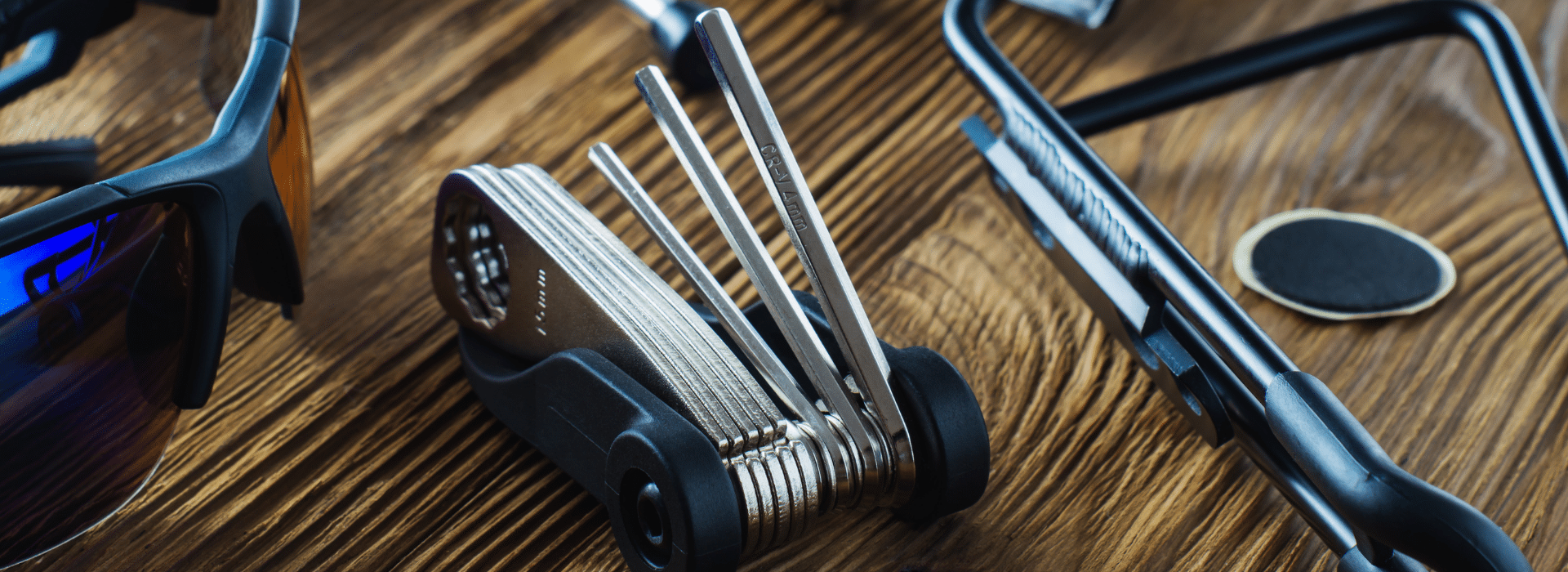
Mechanical engineering
- Puncture repair kit (patches or bits)
- Spare pump, levers and inner tube
- Compact multifunction tool
- Chain connector link
- Tools adapted to the context and course
Safety and comfort
- Sunglasses (or goggles in low-light conditions)
- Handkerchiefs
- Charged cell phone and cards (digital or printed)
- Windbreaker: easy to store and take out when the weather changes
- Sunscreen as needed
- Lighting system
- Small first-aid kit to treat cuts, scratches, small wounds, sprains and strains (several models available on the market).
Organization options
Carrying your essentials
Here are a few ideas that can be adapted to suit your preferences:
Bags and saddlebags
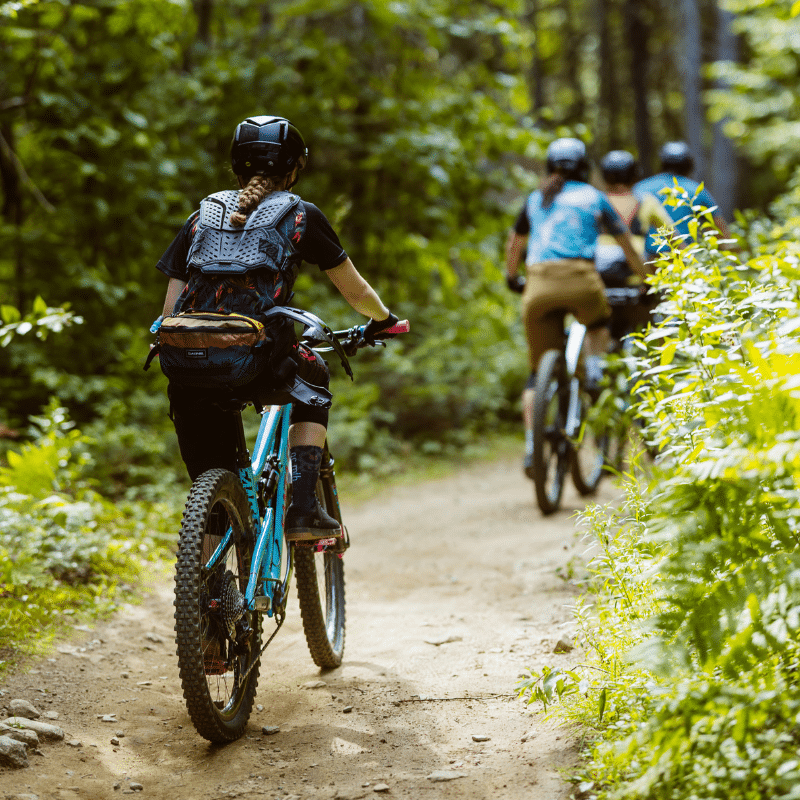
- Lightweight backpack (15-20 L), with bottle or hydration pouch
- Waist or frame bag (2 to 10 L), practical for short outings
- Handlebar or saddle bag, for weight distribution
- Small handlebar bag (bottle on bike)
- Frame bag or small frame saddle bag (bottle on bike)
Bicycle frame accessories
- One or two bottle holders
- Multifunctional tool holder for insertion in stem, pedals or under bottle holder
- Storage space in frame for tools or spare inner tube
- Cell phone holder
- Tire pump support
A backpack is not always the most comfortable solution, especially over long distances. If you do carry one, opt for a soft water pouch rather than a rigid bottle: in the event of a fall, it will be safer. Installing one or two bottle holders on the frame remains the best option for weight distribution.