










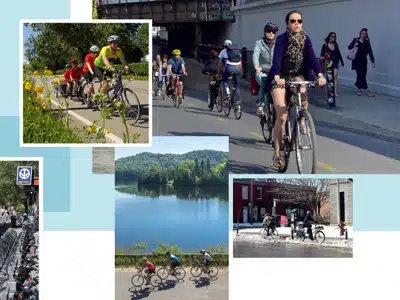

Reading a number of European media reports these days, cycling is increasingly seen as a tool for decontamination. To great evils, great means! While the bicycle has often flown under the radar as a practical solution to the problem of moving people around, the current pandemic is giving it virtues it was already known for, and always has.
It's a fact: crises have the power to accelerate change and habits. Parisians adopted bicycles en masse in the autumn of 1995 because the public transport strike forced them to find another way of getting around. The result: Paris has gone bike-friendly, and the city is stepping up its initiatives to make more room for cyclists. Three decades ago, when the city was practically bankrupt, Berlin adopted an ambitious bicycle plan that proved less costly than public transport and, ultimately, highly effective. The same is true of Copenhagen and Amsterdam, which, for a variety of reasons, have embraced cycling as a response to pressing transport issues at reasonable cost.
In the coming months, public transit users will be reluctant to share enclosed spaces with strangers for fear of contamination. But which means of transportation will city dwellers turn to? The car? If so, imagine the congestion in city centers. We certainly don't want to go back 50 years, to the era of the all-car, especially in the context of the current climate crisis.
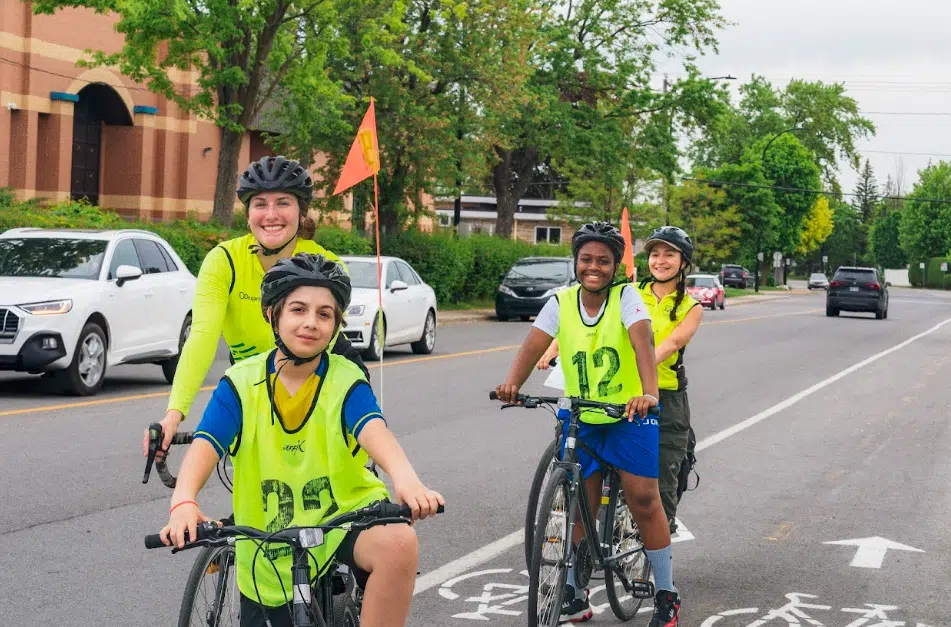
After this break, how can we participate in the recovery and imagine tomorrow? We need to start working and getting around again, and we need to use the impetus of this crisis to adopt the bicycle for getting around town. In addition to being efficient, the bicycle provides the physical distance required today and uses few resources, which is very useful in times of crisis and post-crisis. We have to admit that our streets have never been so empty of vehicles, which begs the question: why are these vast spaces reserved exclusively for cars and trucks, while the sidewalks are crowded? Have you noticed the number of children on bicycles in the street? This is a sign of hope and a positive element to be drawn from the current situation.
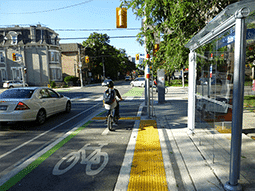
Cities that know how to be nimble and quick can take advantage of this crisis to propose a different model of urban planning, one that makes more room for cyclists and pedestrians. Widened sidewalks, bicycle lanes, pedestrian streets, parking lanes eliminated in favor of bicycle or pedestrian traffic - in short, all these developments are part of a tactical urban planning approach. Let's live it up for the next few months, and then we'll see who wants to go back to the way things were.
Do you think I'm utopian? When I think of the Danes who set up a bicycle plan in the 80s, in a country where there are 3 hours of daylight in the middle of winter, they must have been laughed at. But today, look at the results: almost half of all journeys in Copenhagen are made by bike, and there's no one to complain.
While we may not be able to take to the streets at this year's Tour de l'Île or any other cycling event across Quebec, let's hope that cities large and small make more room for cyclists and pedestrians and participate, in their own way, in creating the city of tomorrow.
Suzanne Lareau
President and General Manager