


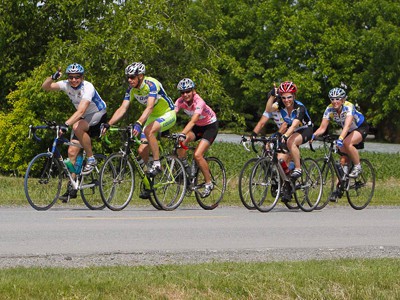

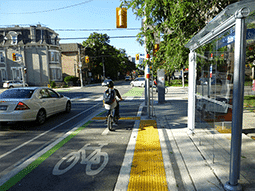


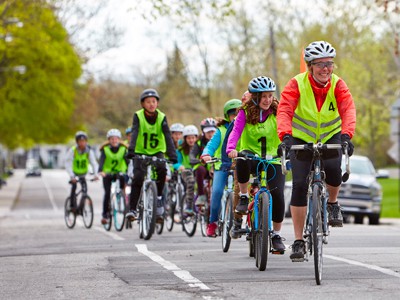


Autumn has already set in, but that doesn't mean we've stopped cycling. For those of you who don't ride on snow, there are still several great weeks of cycling to come, and for 4-season riders, there's no break.
Every autumn, we come back to you with the importance of being visible in the evening or at dusk (the majority of accidents occur during the end-of-day rush hour). Unfortunately, just 25% of cyclists on the road at night are equipped with active lighting on their bikes. This is even more worrying at this time of year, when night falls earlier and earlier, and cyclists are still out in force. What's more, it's a requirement of the highway safety code. Even if many articles of the code concerning cyclists are outdated, this one isn't! And, because it should be said more often, riding at night without being visible is like chasing trouble!
A quick reminder. First, equip your bike with a white light at the front and a red light at the rear (having an additional rear light on your helmet doesn't hurt either). Next, fit reflectors to the moving parts of your bike, so that your presence on the road is more easily detected. Reflectors are particularly effective on wheels and pedals, while reflective strips are particularly effective on pedal cranks; don't forget tires with reflective sidewalls and reflective trouser clips. In short, there's a whole range of reflective accessories on the market today, often costing next to nothing, which, combined with active lighting, make us visible to motorists. According to a recent study, bright or fluorescent clothing has relatively little impact. Australian study from cyclists who have been involved in accidents with cars. So go for what works: active lighting and reflective accessories.
Have a good fall, and don't forget to vote, because you'll be less well placed to criticize your municipal administration if you don't take the trouble to participate in this crucial democratic exercise.