











Velo City is one of the largest gatherings for those involved in the development, planning and promotion of cycling worldwide. Here's what we learned from our participation in the most recent edition of the event, which took place in September 2021 and had cycling diversity as its main theme.
Cycling as a means of making our cities more inclusive and equitable places to live
The immense potential of cycling to combat material and social disadvantage was discussed at length during the three-day conference.
When used as a mode of transport, cycling enables people living in outlying areas with poor public transport links to tackle their mobility deficit and access socio-economic development levers such as employment hubs, educational establishments, services, cultural and sports facilities, as well as green spaces. In other words, cycling is an essential mobility solution for making our cities more inclusive and equitable places to live.
Accessibility rooted in diversity
Beyond mere physical accessibility, many of the speakers asserted that social accessibility is also essential if we wish to pursue the development of an inclusive cycling culture.
To get people who are less likely to adopt cycling as a mode of transport, it's vital to carry out initiatives tailored to their socio-cultural context: gender identity, age, cultural background and the social norms in which they live. Inevitably, this context plays a role in our transportation choices, our sense of safety and even our everyday journeys, so it's imperative to recognize this diversity of experience if we are to make a difference.
This multiplicity of realities was skilfully exposed through presentations of initiatives such as WheelNess from Cycling UK and Immigrants on Bike! of the Finnish Cycling Federation. These cycling coaching and initiation projects for people from groups under-represented in cycling communities have also highlighted the indirect benefits of this type of approach: boosting self-esteem, breaking down social isolation, community integration, improved employability, and so on.
Active, innovative and inclusive cities
The three days of Velo City were also an opportunity to reflect on how we plan our cities.
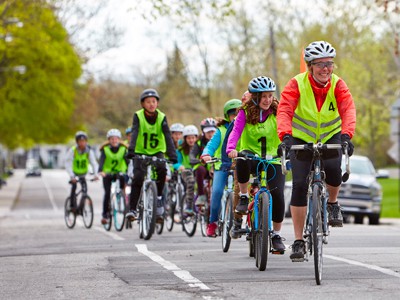
To ensure that everyone benefits equally from the advantages of active mobility, it's important to consider the diversity of people affected by development choices. In this respect, there has even been talk of giving greater value to children's participation. The argument behind this idea is very interesting: isn't children's ability to reclaim space for independent movement and free play a barometer of the inclusive and active nature of our communities?
Many panellists praised the use of temporary developments as a means of innovating and introducing people to the potential of active mobility. These approaches contribute to citizen reappropriation, as well as fostering the social acceptability of infrastructure development for pedestrians and cyclists.
This latest edition of Velo City highlighted not only the potential of bicycles in the fight against inequality, but also the diversity of the people who get on their bikes every day. It's by recognizing and giving voice to this diversity that we can make our living environments more sustainable and inclusive.


All rights reserved 2026
Vélo Québec
Conception de sites web : PAR Design, Agence Web