







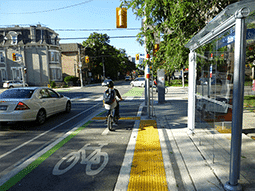





Montreal, March 27, 2020 - For the next few weeks, Quebec will be «on pause», at the government's request, in order to slow the spread of COVID-19. Vélo Québec fully endorses this approach and supports the government in its instructions. But we remind you that many Quebecers, including those in essential services, will still need to get around to work, volunteer and buy supplies, and that they must be able to rely on cycling to do so. Not all Quebecers own a car, especially in Montreal, where it is recommended to use public transit as little as possible, given the difficulty of respecting social distance. With the service cuts announced by RTL, STM and STO for their bus and metro services, this option will be even less attractive in the weeks to come.
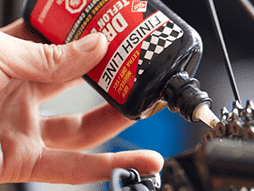
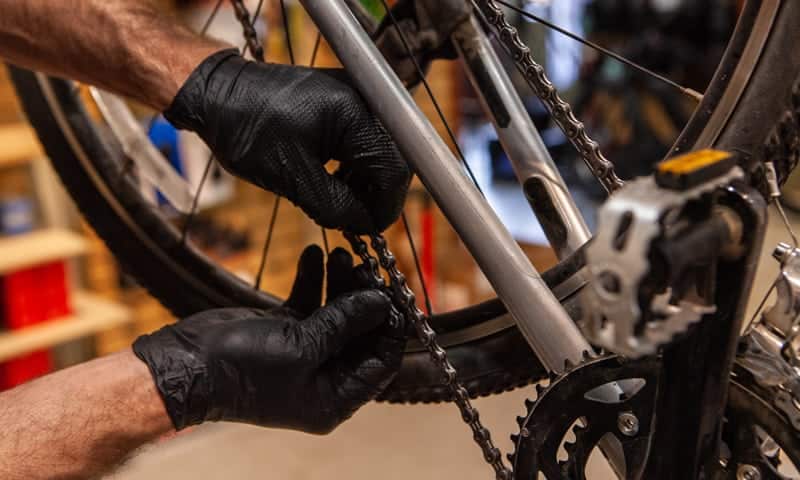
Vélo Québec is therefore asking that bike stores and community workshops be considered essential and authorized to operate, in the same way as service stations and «motor vehicle mechanical repair» services. This is already the case in neighbouring Ontario, which has explicitly included bicycles in its list of essential services, and in the American cities of New York and Philadelphia. And rightly so: here's a way of getting around that keeps a safe distance from others, while keeping us active, healthy and independent. At a time when traffic is calmer than ever, in streets deserted by cars, cycling is even more pleasant and safer. So there's no reason not to encourage this mode of travel.
And yet, at the start of this mild season, it's the time of year when cyclists go out to buy a bike, and have the one they have repaired and maintained. « We don't know how long this crisis will last, but we do know that the season for cycling is starting now, starting now in southern Quebec. We need to give Quebecers access to bike stores, just as car owners have access to garages, without further delay. »says Suzanne Lareau, President and CEO of Vélo Québec.
« Crises have the potential to create lasting changes in habits. In 1995, and again recently this winter, Parisians rediscovered and massively adopted cycling in response to their public transport strikes. These new habits have changed the face of Paris. In the current crisis, we can and should not only respond to the immediate needs of our fellow citizens, but also create the conditions for a sustainable change in habits over the longer term. In the aftermath of this crisis, environmental issues will be back in the spotlight. Let's give Quebecers the means to use a sustainable and affordable mode of transport, under the best possible conditions, to reap all the benefits: travel efficiency, autonomy, health through physical activity, all at very low cost. The bicycle has all the ideal attributes of a means of transport in times of crisis. We're asking the Quebec government to follow Ontario's example and list bike stores as an essential service. »she adds.