




Choosing your bike

Thinking of buying a bike and want to make the right choice for your needs? Here are the main characteristics of bike types available on the market.

Bike types

Urban bike

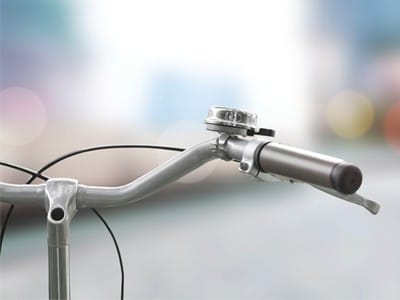
The urban bike is designed to cover short distances in urban environments. It features a wide saddle and raised handlebars for an upright position and good all-round vision. Its wide tires resist punctures well, and it's usually equipped with a luggage rack, chain guard and mudguards. Sturdy but heavy, it's not ideal for long-distance or uneven terrain.

Hybrid bike

The hybrid bike is an all-rounder, ideal for strolling, touring and urban commuting. Its upright handlebars and frame geometry enable a comfortable, yet more dynamic riding position than on a city bike, giving it greater versatility. Tires are generally wide, and accessories can be added for urban use or touring.

The hybrid performance bike is the sportier version of the traditional hybrid bike. Certain components have been specially adapted to improve performance, such as a lighter frame (closer to road bike geometry), thinner tires and higher-quality mechanical parts. It's perfect for those who want a sporty bike without the traditional curved handlebars of a road bike.

Road bikes

Road bikes are specially designed for long distances and speed on asphalt roads. All components are designed to enhance performance: lightweight frame, narrower tires than hybrids or urban bikes, curved handlebars... Several models are available to suit different riding styles. Competitors will opt for a lightweight model offering a more aerodynamic riding position, while long-distance enthusiasts will prefer a more relaxed, comfortable position.

Gravel bike

The gravel bike is a newcomer to the cycling family. Its curved handlebars give it the look of a road bike. What sets it apart is the width of its tires, which can be up to 50 mm, and its disc brakes, which work in all conditions. These features enable it to easily get off asphalt roads and ride on gravel and stone dust, without however being really at ease on mountain bike trails. This all-round bike is the choice of those who want to limit themselves as little as possible in their cycling.

Touring bike

The touring bike is designed to provide comfort and stability on touring trips. It adapts to all kinds of surfaces thanks to its relatively wide tires and sturdy components. It features curved handlebars, a luggage rack and a transmission that's at ease in any terrain. It's not designed for speed, but for carrying luggage in comfort. Preferably sturdy, it's capable of withstanding the hazards of a bike trip.

Mountain biking and fatbiking

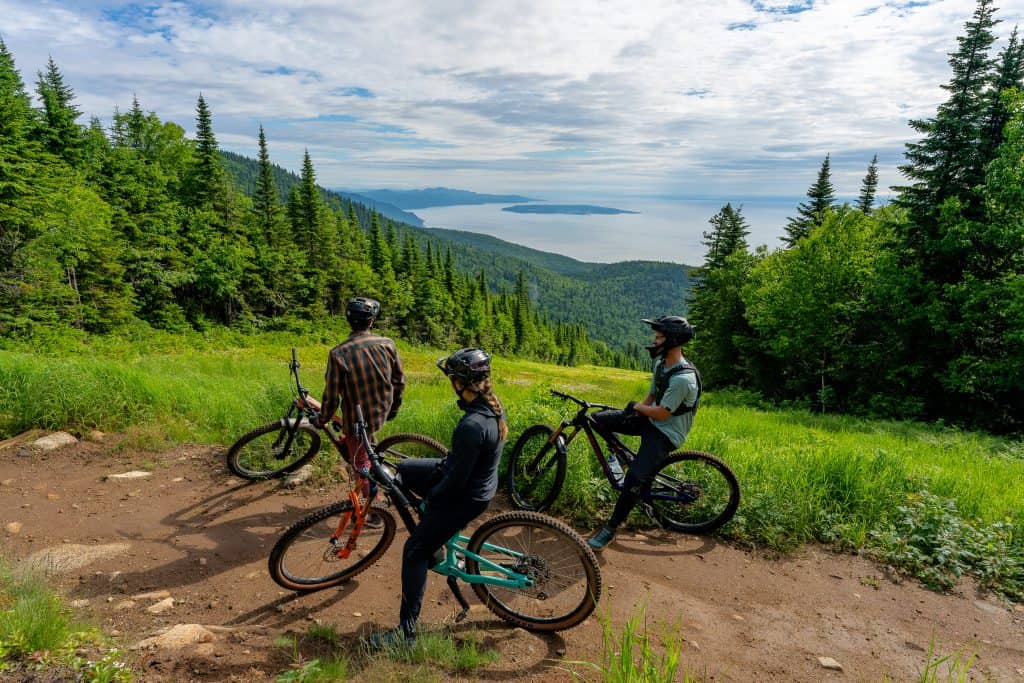
Mountain bikes are designed for trail riding, with no regard for obstacles. While some models make do with a simple front suspension fork, most come with a rear shock absorber, both of which are capable of absorbing obstacles while promoting stability. Wide knobby tires and powerful disc brakes complete the equipment for tackling the trails.

For some years now, models with even wider tires, the fatbike, These were created to allow you to drive on snow without sinking.

Electric-assist bikes

For all the types of bike mentioned here, there are electric-assist versions equipped with a battery-powered motor to turn the rear wheel. The difference with other motorized two-wheelers is that the rider has to pedal to engage the motor. The rider can choose between several assistance modes: the higher the assistance, the less effort is required, but the shorter the battery life. The electrically-assisted bicycle has a bright future ahead of it, as it meets the needs of urban and other mobility.

×