


- Driving in Quebec
- Events and activities
- Consulting and training
- Programs and campaigns
- Magazines and publications
- News and issues
- Toolboxes
- About us
- Contact us
- Become a member
- My account
- French









Home Toolkits Cycling community Civic involvement Contact persons
Contact persons
Share
See other sections of the guide
The challenges Resource list Inspiring examples
In order to improve the quality of our interventions and to balance our energies, we need to know our interlocutors, i.e. the players in our environment. This understanding enables us not only to adjust our discourse, but also to adapt our intervention to the interests and objectives of our interlocutors. We also need to understand the organizational culture of our environment. All of this helps us to address active transportation issues to the right people.

Introduction
Various organizations are fighting to promote active transport and mountain biking, while defending the place of cyclists and pedestrians in our living spaces. By becoming a member of one of these organizations, you are helping to directly support their actions. These organizations are often looking for volunteers to support their activities, so why not give them a hand?
Community bike workshop
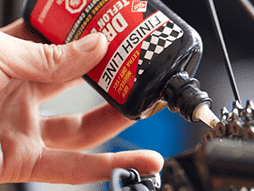
Community bike workshops are places where cyclists can maintain and repair their own bikes, under the supervision of experienced volunteer mechanics. You can start by simply using the workshop and its services, then develop enough knowledge to help other cyclists if you want to get more involved. It's a great place to meet others who are sympathetic to the cause of active transportation, and to get involved in making things happen. These workshops offer you :
- The tools you need to maintain your bike
- Advice from volunteers who guide you, without doing the repairs for you;
- New and used parts at low prices
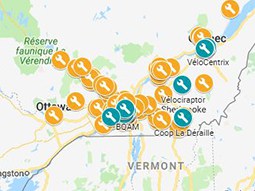
Visit a map of all the community workshops in Quebec. If we missed one, contact us to be added to the list.
Cycling association / Pedestrians / Active mobility
Various organizations are fighting to promote active transport and mountain biking, while defending the place of cyclists and pedestrians in our living spaces. By becoming a member of one of these organizations, you are helping to directly support their actions. Some organizations are also looking for volunteers to support their activities, so why not give them a hand?
To find out how to start a citizens' association, consult the stakes section.
Bike patrol
It's possible to get involved in a bike patrol organization. These are formed to accompany cyclists on the trails of a given region and intervene when needed (minor repairs, first aid, directions and advice). Sometimes these patrols lend a hand at cycling events or school outings. It's a great way to offer a reassuring presence on your local cycling network, and to socialize with other cycling enthusiasts!
Public Sector
Transport companies
Transit companies obviously have a role to play in promoting an attractive transportation mix in Quebec municipalities. This is especially true if your transit authority also operates your city's bike-sharing system. It's always a good idea to attend your regional transit authority's board meeting, where you can ask questions and make requests to encourage changes in favor of bicycle and public transit complementarity.
For a list of transport companies in Québec, consult Association du Transport Urbain du Québec
Primary and secondary schools
When it comes to making a school more conducive to active transportation, it's always a good idea to call on the school administration or teaching staff, who are natural allies in moving this kind of issue forward. What's more, if there are any safety issues undermining cycling around the school, it's the school principal's responsibility to notify the municipal authorities. Don't hesitate to share your concerns with them:
- Improving bicycle parking facilities
- Creating an environment conducive to active transportation around the facility
- School participation in a bicycle education/awareness program
It's also a good idea to turn to the Governing Board (GB) to raise these issues. The Governing Board is a powerful body that gives schools, vocational training centers and adult education centers the leverage they need to meet the needs of all students and influence school orientations.
In fact, you can get involved in a governing board yourself! If you're interested, the Quebec government has produced a document to encourage you to get involved in this democratic school structure.
You can consult a list of all school boards in Quebec, along with their contact information. here.
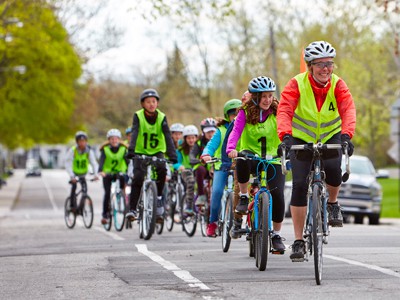
Cycliste averti Vélo Québec's Cycliste averti program teaches elementary school students in grades 5 and 6 how to ride a bike safely and independently. It combines theoretical and practical learning, under the guidance of teachers, and allows students to experience cycling on the road, under the supervision of specially trained instructors. Are you interested in this program and would like your child's school to take part? Visit program website.
School Travel Plan The purpose of the travel plan process is to identify obstacles to active travel in neighborhoods around schools, and to propose solutions to reduce these obstacles and create more user-friendly environments for active travel. Click on this link to find out more!
Post-secondary educational institutions (CEGEPs and universities)
Higher education establishments often have a budget dedicated to active transportation initiatives, as well as staff responsible for managing active transportation projects (for example, environmental and community relations technicians, or sustainable development and eco-citizenship technicians). Sometimes, it's even the sustainable development advisor who can help you with your requests.
Several campuses also support community bike workshops. The aim of these workshops is to democratize cycling by making bike repairs accessible. Find out more about community workshops in this section.
Sometimes, university campuses are also responsible for facilitating mountain biking on their territory. This was the case, for example, at the Université de Sherbrooke.
The various student associations at CEGEPs and universities are effective catalysts for developing a cycling culture at institutions of higher learning. Generally speaking, these associations have links with campus management, and can thus highlight the need for cycling initiatives on campus.
Mon campus à vélo - Awareness campaign
Organized in September by a number of Quebec CEGEPs and universities in collaboration with Vélo Québec, this campaign aims to promote a fast, efficient, healthy and environmentally friendly mode of transportation. A number of activities and events are being organized on campus for this purpose. The Université de Montréal has also repatriated information on this website to promote active transportation, don't hesitate to draw inspiration from them.
Private sector
Shops and businesses
Retailers are key partners in making the shopping experience more pleasant for bicycle users. Don't forget that retailers are sensitive to their customers' needs. You can therefore encourage them to set up..:
- Bicycle parking* for
- Benches for resting
- Water fountains to fill bottles
- Loyalty discounts for bike users or local cycling clubs
*Municipalities often have funds set aside for these infrastructures. Encourage your favorite merchants to apply!
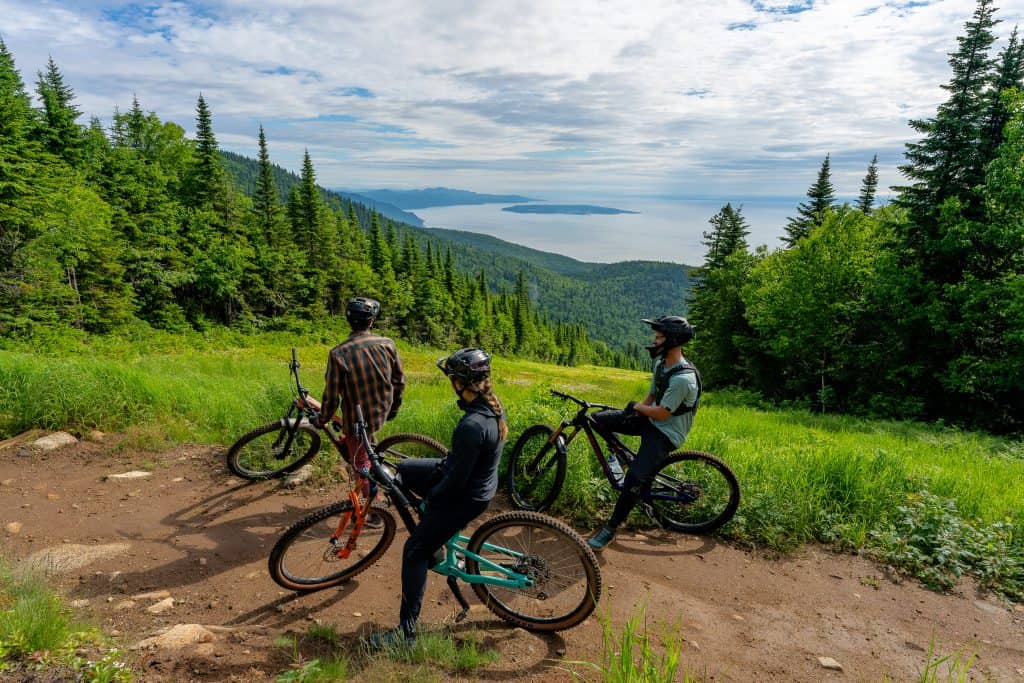
You can also ask your local businesses to negotiate a right-of-way on their land for mountain biking. Whether it's to get to the trails, or even to eventually build trails, businesses in your municipality have the power to give you access to their land. In Saguenay, for example, the Panoramique mountain bike center is located on land loaned by Rio Tinto Alcan. All you have to do is develop your sales pitch to convince these companies. Sometimes, some of their employees are mountain bikers themselves. What's more, it's an opportunity for the company to collaborate on a project that promotes healthy lifestyle habits; it's good for their image.
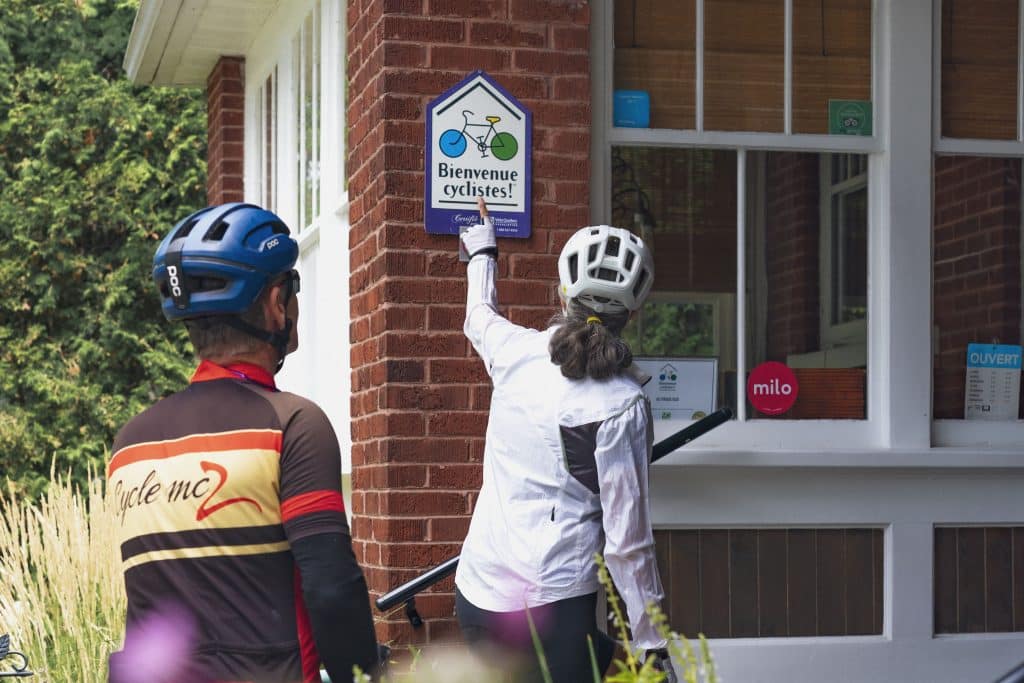
Traveling by bike in Quebec? Invite your favorite inn or campground to become a Bienvenue cyclistes!. This small gesture makes bicycle touring in Quebec even more enjoyable. Tourist accommodations and campsites certified by this Vélo Québec program offer a welcome and services tailored to the needs of bicycle tourists. These include covered, locked bike storage (only in hotels and B&Bs), access to a pump and tools, and a wealth of useful information for cyclists. To find out more about certification, click here.
Homeowners / property managers
Depending on the type of property you live in, the people you have to contact may vary. In a housing cooperative, you'll need to contact the management committee or the committee in charge of development and works. In condominiums, your syndicat de copropriété will be the body to contact. Finally, for tenants, your landlord or building manager will be the person to contact:
- Better parking facilities for bicycles
- A dedicated indoor space to park your bikes or maintain your frames
- A self-service repair terminal
- A charging station for electric bikes
Since there will be costs involved in requesting bicycle facilities, we advise you to be well prepared before making your requests. A well-founded file with various options for improvements and associated costs will ensure a constructive and serious dialogue to encourage bicycle use. Just in time, Vélo Québec has developed a card for this purpose!
Employers
Your employer can make a big difference in establishing a culture of active transportation and physical activity in your workplace. You know better than anyone what kind of arguments would appeal to your employer - there's no shortage of them!
- Better productivity and punctuality for employees who commute by bike
- Fewer absences due to illness
- Save money and space by replacing car parking with bicycle parking.
- Corporate value for healthy living.
- Your employer can also play a role in bringing safety and accessibility issues to the attention of the City - an intervention that carries weight!
In fact, point out to your manager that they may even be entitled to funding if they wish to develop initiatives that encourage physical activity (including cycling). A provincial government program has been set up for this purpose.
Form a vélo-boulot committee (or club) can also encourage your employer to contact the VELOSYMPATHIC movement. The Vélo Québec team will be able to help you set up a cycling plan for the organization. It is also possible to use the services of a travel management center.
Click here for more details on forming a Bike to Work committee.
Municipal government
Cities and municipalities
The crux of the matter when it comes to improving walking and cycling... is at the municipal level. Municipalities (and their representatives) are your main interlocutors when it comes to active transportation and the development of urban and mountain biking. They have a very important role to play in shaping environments conducive to this type of travel or to the diversity of practices (mountain biking, fatbike, cyclosportive touring, etc.).
To contribute to the health and well-being of its residents and improve the lives of people who commute by bicycle, a municipality can, for example :
- Opening and improving public squares
- Acquire land in the wild to develop bike trails, whether for Sunday strolls, mountain biking or fatbikes.
- Design pedestrian streets, shared streets, bike lanes or complete streets, where all users can move around safely (this can include the number of lanes, the configuration of a median, the presence of sidewalks and bike lanes, the fact that it's a pedestrian street, etc.).
- Install bike racks
- Require, through zoning bylaws, sufficient bicycle parking spaces in new residential or institutional construction, as well as on certain commercial properties.
- Adding a pumptrack section to a municipal park
- Regulate heavy-vehicle traffic on public roads under its responsibility in order to protect infrastructure and preserve the tranquility of residential areas
- For safety reasons, restrict or prohibit the circulation of vehicles or certain vehicles on a road by means of appropriate signage.
- Offer a subsidy for the purchase of an electric bike (Example: City of Laval)
In fact, municipalities are playing an increasingly important role in many areas of government intervention, such as transportation, the economy and environmental protection, all of which have a bearing on bicycle development. Municipalities are therefore increasingly local governments, responding to the local needs of residents. Nevertheless, municipal revenue sources remain limited, with budgets based almost exclusively on property taxes. Since 2019, Quebec municipalities have also been entitled to a transfer of the equivalent of one point of the Quebec sales tax (QST), in order to diversify their revenue sources.
Still, to develop cycling, municipalities have to dip into their (limited) funds. This is where the proactivity of MRCs and the leadership of the provincial government can go a long way. By allocating additional funds to municipalities (via various programs) and adopting bylaws to promote the place of cycling in our lives, MRCs and the Quebec government can give a clear direction in favor of cycling. So don't forget to get involved with political players at all levels.
*Here is a complete list of actions that can be taken by municipalities Ministère des Affaires municipales et de l'Habitation.
City Councils
If you're concerned about the safety of cycling or the development of mountain biking, it's a good idea to ask your municipal council. A specific period of the council meeting is devoted to answering questions from citizens. The elected representatives (or civil servants) present have a duty to find answers to your questions, and the absence of answers is also a pretty clear form of response! You should generally arrive a little before the start of the session to record your question, or in these COVID-19 times, send it electronically beforehand.
Generally, a page from your municipality (such as ici) is dedicated to board meetings. Just follow the instructions!
In fact, if you've been following the I identify, I act, You'll be well prepared to ask that question!
Many municipal councils have elected officials responsible for transportation, the environment, recreation or urban planning issues. Don't hesitate to dig a little deeper to find out who does what, and your interventions will carry more weight!
Click here to consult the Ministère des Affaires municipales et de l'Habitation guide.
Elected officials responsible for transportation, the environment, recreation or urban planning issues.
Elected representatives are like members of an organization's board of directors. They provide the guidelines and direction, but in the end, it's the employees (civil servants) who carry out the work in the field. To better understand the duties and responsibilities of elected officials, we invite you to consult this guide, written in 2020 by the Ministère des Affaires municipales et de l'Habitation. Here you'll find details of their duties and responsibilities as elected representatives, the laws that govern them, and more.
Municipal employees
It can be strategic to build relationships with municipal officials. At municipal councils, it can be a good way to talk to your local recreation or transportation directors. These people have considerable influence and decision-making power when it comes to active transportation and mountain biking.
Regional County Municipalities (RCMs)
Regional County Municipalities are administrative entities responsible for the regional management of municipalities. There are 104 MRCs in Quebec, distributed across 17 administrative regions. The MRC Council is made up of the mayors of each municipality in the territory. The council is chaired by a prefect, usually appointed by the mayors themselves.
These MRCs play an important role when it comes to land use and transportation planning. In fact, these administrative bodies are required to draw up a land-use plan, which is revised every 5 years. This plan has an impact on urban planning rules and the overall vision of the MRC territory. The planning of regional cycling infrastructures (such as several sections of the Route verte or regional networks such as Cycloroute de Bellechasse) in their own backyard. It is also possible to seize the opportunity to include a vision for mountain biking in the development plan, particularly in the land subdivision process, and to specify the intention to create green spaces that include mountain biking. This planning can be coordinated with the funding of such infrastructure at a more local (municipal) level.
MRCs can also exert a positive influence in taking action at the municipal level to promote healthy eating and a physically active lifestyle while protecting the territory. The MRC des Pays-d'en-Haut, for example, has drafted a Trails Protection and Access Policy to guarantee public access to natural and recreational spaces for all residents of its territory. For its part, the MRC de la Haute-Yamaska (corner of Granby, Waterloo and Shefford) was the first to inject funds to roll out the Cycliste averti program on a regional scale. It's a strong signal and an interesting lever for local municipalities.
Active Mobility Committee
The creation of a bicycle advisory committee in your community is essential: it demonstrates a real commitment on the part of the municipality to strengthening the bicycle culture. By bringing together all those working to improve conditions for cycling, a committee ensures that initiatives undertaken in this area are coordinated, facilitates exchanges and enables concrete action to be taken on the five axes of the VELOSYMPATHIC movement: the environment, education, encouragement, support, as well as evaluation and planning. The presence of citizens on this committee ensures that the issues, challenges and wishes of users are properly relayed. Often, the creation of this kind of committee comes from the will of the community. Visit an example of a committee launched by a borough in Montreal, and here in Drummondville, but there's nothing to stop you inviting your elected representatives to consider this collaboration opportunity if it doesn't already exist.
Provincial government
Introduction
The Quebec government remains an important player in the development of active transportation in Quebec. That's why it's so important to raise awareness among MNAs at the provincial level, as various ministries have set up programs to encourage cycling in all its forms. Whether it's the Ministry of Transport, the Ministry of Health, the Ministry of Municipal Affairs and Housing, the Ministry of the Environment and the Fight against Climate Change, the Ministry of Forests, Wildlife and Parks or the Ministry of Education and Higher Education, they all have a role to play at their level to ensure that Quebec continues to promote cycling. Below, we'll try to explain the spheres of intervention of these Ministries. For further information, please consult our program list for the financing of measures, installations or bicycle facilities within your local authority.
Ministry of Transport (MTQ)
Ministry of Transport and the Société de l'assurance automobile du Québec (SAAQ) are responsible for Road Safety Code (CSR). The CSR establishes the parameters for active travel on the road network, notably the place of pedestrians and cyclists in the public space that is the street, their responsibilities vis-à-vis other users and the rights conferred on them.
Since 1995, Quebec has had a bicycle policy, which was revised in 2008. In addition to setting out guidelines for bicycle use, the policy's objective is also to provide a framework for the Ministère du Transport's actions on its own roads, and thus anticipate interventions likely to improve cyclists' safety and mobility. In addition, for a little over twenty years now, the Ministère du Transport has been offering various programs to municipalities to help them implement active transportation projects. The MTQ remains a key player when it comes to the development of cycling in Quebec.
- Road Safety Fund financial assistance program
- Financial assistance program for the development of active transportation in urban areas
- Municipal Road Improvement Program
Consult the ministry website to learn more about how it works, including their organization chart employees.
Ministry of Education and Higher Education (MEES)
This ministry includes education, recreation and sport. Various amounts are allocated by the latter to encourage healthy lifestyle habits, but there is still a great deal of work to be done to ensure that the MEES encourages and subsidizes initiatives that promote cycling (utility and mountain biking). It should be noted that funding for mountain bike development is part of a global envelope, through programs supporting outdoor activities and financial assistance for recreational and sports infrastructures.
Ministry of Forests, Wildlife and Parks (MFFP)
The development of our forests affects cycling, particularly mountain biking. The Ministry must harmonize the various practices on the territory (hunting, fishing, logging, industrial activities, hiking, biking, etc.). It is therefore important to sensitize the Ministry so that mountain biking is included in these recognized activities. The development of the plans mentioned below therefore has an impact on mountain biking.
Ministry of Health and Social Services (MSSSQ)
Various studies report that every dollar invested in health prevention yields a return of $6. For Vélo Québec, cycling needs to be identified as a public health prevention tool. By adopting active transportation habits and practicing mountain biking, Quebec would achieve a lot in the way of prevention for heart disease, cancer and obesity, while also helping the population's mental health. We must therefore continue to raise the awareness of health decision-makers in order to promote this vision: the development of our territory has an impact on the health of the population.
The government's health prevention policy is an interesting start, but we need to make sure that the money invested in the programs is there.
Federal Government
The federal government also has a role to play in developing a cycling culture across Canada. It has the opportunity to collaborate in the implementation of initiatives or programs that promote and democratize active transportation. Whether it's with projects for First Nations, in tourism, in the goods movement sector (encouraging last-mile cycling for postal services), the possibilities are numerous. Federal authorities can also guarantee safe year-round access and use of bicycles on their properties, for example:
- National parks;
- Bridges under federal jurisdiction (such as the Samuel-de-Champlain and Jacques-Cartier bridges);
- Railroad crossings;
- National historic sites (such as the Lachine Canal);
- Land owned by Crown corporations (e.g. Old Port of Montréal Corporation).
As a major employer in many municipalities across Canada (employing close to 290,000 Canadians), the Canadian government can also show leadership by implementing bicycle-friendly workplaces.
There's plenty to discuss with your elected representatives at the federal level. Visit this list funding programs to find out whether a potential or existing project could be eligible.
Membership
Vélo Québec needs your help
By becoming a member of Vélo Québec, you support our mission to develop and promote cycling, and help us build the cycling Quebec of tomorrow.
All rights reserved 2026
Vélo Québec
Conception de sites web : PAR Design, Agence Web