







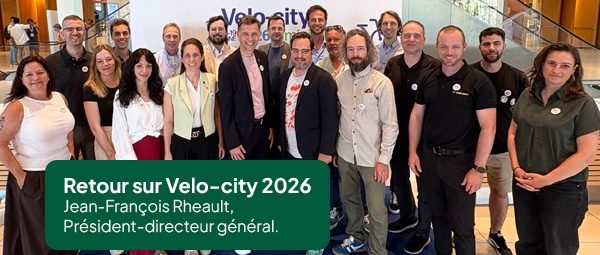
Last week, two colleagues from Vélo Québec and I had the privilege of attending Velo-city 2026 in Rimini, Italy, as part of a large delegation from Quebec.
For those who are less familiar with it, Velo-city is the largest international conference dedicated to cycling and its role in the development of cities and regions. For more than forty years, it has brought together elected officials, professionals, researchers, organizations, and companies who share a common belief: cycling is a powerful tool for improving mobility, health, the environment, and quality of life.
For Quebec, this conference holds special significance. In 1992, Montreal hosted Velo-city in what remains a defining moment in our cycling history. This event helped strengthen Vélo Québec’s capacity to take action, raise awareness of the Quebec Cycling Plan, and accelerate the development of networks that will lead, in particular, to the creation of the Route verte. More broadly, it enabled Quebec to become part of an international network of exchange and innovation from which we continue to benefit today.
Thirty-four years later, a Québec strengthened by the lessons learned and the work of several decades made its presence felt in Rimini. A delegation of more than twenty people gathered there to learn, share, develop partnerships, and do business. This presence is a testament to the maturity of our ecosystem and the role Quebec now plays in international discussions on cycling development.
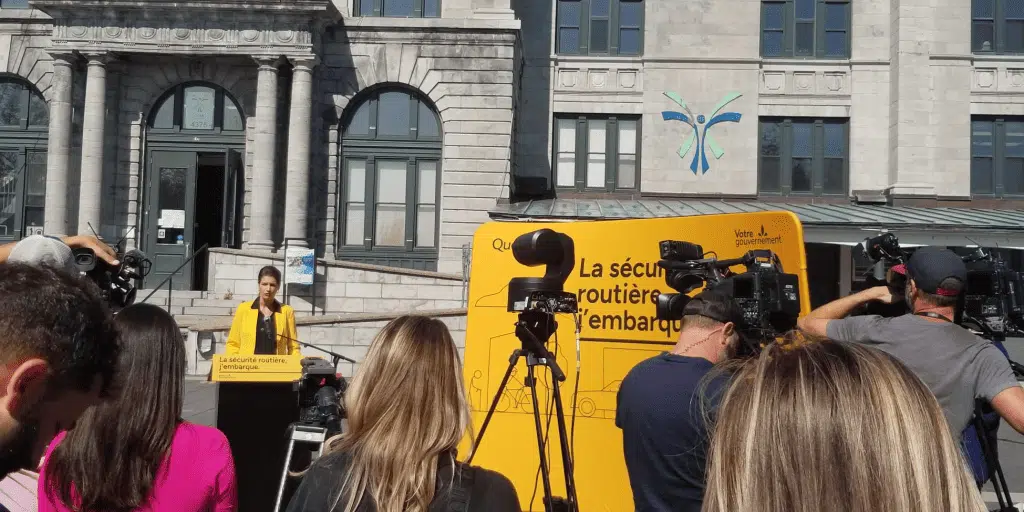
The participation of Québec City Mayor Bruno Marchand was another highlight of this year’s event. In addition to taking part in panel discussions, he held numerous bilateral meetings with stakeholders from around the world to promote Québec City’s bid to host Velo-city 2029. These discussions also provided an opportunity to showcase the progress made by the City of Québec in recent years, to discuss the challenges facing our cities, and to learn from initiatives undertaken elsewhere.
Among the many topics discussed this year, one theme came up repeatedly in the discussions: the phenomenon of «bikelash»—the sometimes fierce opposition that accompanies cycling initiatives and urban transformations.
What struck me was that several speakers pointed out that this opposition is often driven by a particularly active and visible minority. In many cases, the debate isn’t really about cycling itself, but about the fear of change and the concerns it can raise. Cities that are transforming their public spaces, redesigning their streets, or rebalancing how space is shared must grapple with this reality.
During a panel discussion, Bruno Marchand shared a particularly insightful observation based on John Kotter’s work on change management. His message was simple: the challenge is not only to design good projects, but also to support citizens through the transition. This perspective strikes me as particularly important at a time when many cities are seeking to transform their living environments, improve travel safety, and meet growing expectations regarding quality of life.
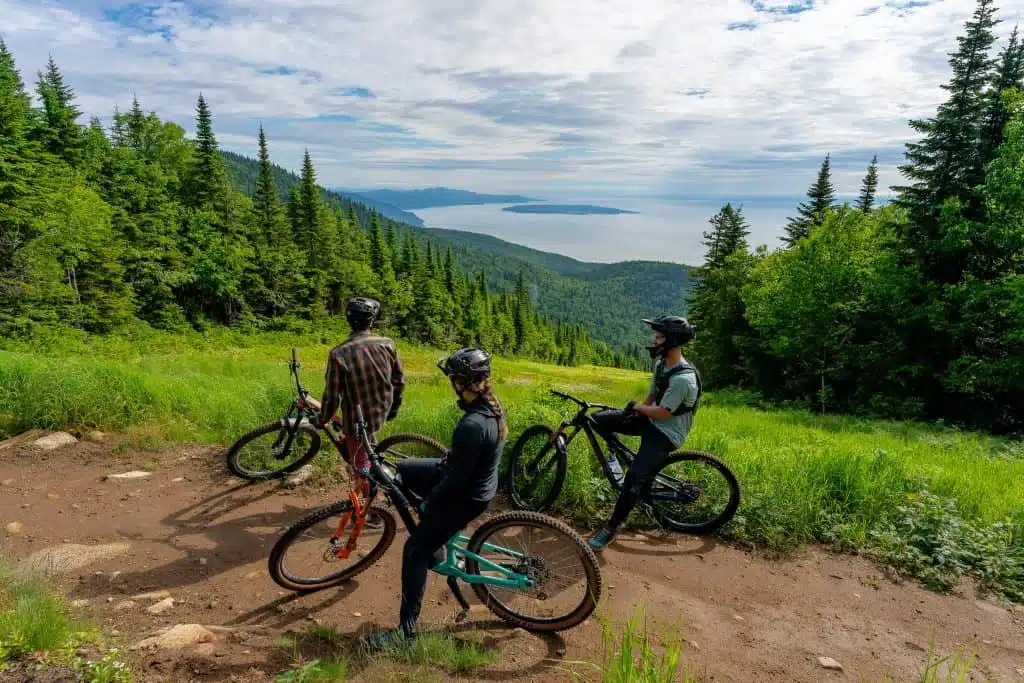
The discussions in Rimini also highlighted just how much the expertise developed by Vélo Québec continues to spark interest among our international colleagues. Whether it’s our educational programs, our public policy proposals, our work on cycling infrastructure, or the development of cycling tourism—particularly through Quebec by bike, Quebec’s achievements made a strong impression. On several occasions, I noticed a genuine curiosity about our approach and recognition of the work accomplished over the past few decades.
That is precisely why these international gatherings remain so important. They allow us to discover innovations emerging elsewhere in the world, but they also give us the opportunity to assess how far we’ve come. They remind us that the progress made in Quebec is not the result of chance, but the outcome of collective efforts spanning several decades.
Looking ahead, Québec City’s bid to host Velo-city 2029 makes perfect sense. As Montréal demonstrated in 1992, the legacy of such a conference extends far beyond the event itself. The ideas, collaborations, and ambitions it sparks can have lasting impacts. Now more than ever, we must attend these gatherings, exchange ideas with our peers, test our ideas against one another’s, and bring back here what works elsewhere to continue advancing cycling in Quebec.