








Table of contents
Chapter 1 - The efficiency of active transportation
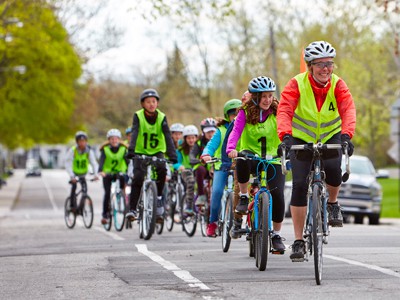
Chapter 2 - Pedestrians and cyclists
Pedestrian characteristics 9
Cyclist characteristics 12
Other modes of active transportation 17
Chapter 3 - Environments conducive to active transportation
The region, walking and cycling 20
Rue 25
Infrastructure 27
Chapter 4 - Pedestrian and bicycle paths
The 30 footpath
Cycle path 33
The multi-purpose trail 38
Intersections 42
Roadway 44
Bridges and tunnels 48
Trail 54 development
Integrating the trail into the environment 59
Trail planning 62
Chapter 5 - Designing roads and public spaces
Pedestrian walkways 66
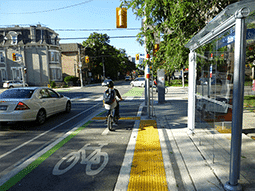
Cycle routes 73
Typical cross-sections in urban areas 85
Intersections 93
Traffic calming 106
Chapter 6 - Lighting, signage, street furniture and bicycle parking
Lighting 116
118 signage
Street furniture 125
Bicycle parking 128
Chapter 7 - Walking, cycling and public transport
Access to boarding points 134
Equipment and services at boarding points 136
Transit corridors, walking and cycling 137
Bicycle transport 140
Self-service bike 142
Chapter 8 - Operations
Infrastructure maintenance 144
Winter maintenance 147
Work areas 149
Usage indicators 151
Chapter 9 - Planning
154 strategies
Planning tools 156
Institutionalizing planning for pedestrians and cyclists 159
Planning pedestrian and bicycle networks 160