




Code of conduct for cyclists in times of pandemic

Cyclists have always been aware of the many benefits of cycling - both in terms of physical and mental health - and recognize the exceptional privilege of being able to travel by bike. However, everyone must work together to adopt safe driving habits and respect the recommendations made by public health authorities in connection with the COVID-19 pandemic.
Specific guidelines for the leisure and sports sector

For more information, visit the Quebec government website.

Cycling ethics

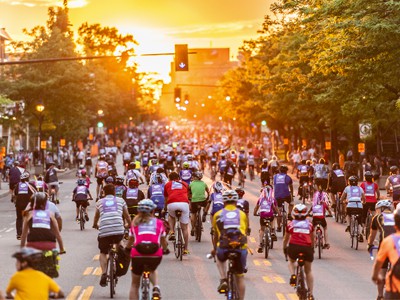
This year, the streets of our towns and cities are experiencing an extraordinary amount of pedestrian-bicycle traffic. To ensure the harmonious cohabitation of all road users - pedestrians, cyclists and motorists - every gesture counts.

If you're cycling in denser areas, reduce your speed, avoid weaving between pedestrians and cyclists, and remember that pedestrians always have priority. Since there's less car traffic, don't hesitate to use low-traffic streets as an alternative to congested bike lanes.

Tips for everyone before setting off on your bike

Plan your outing

  • Choose a circuit close to home. Make sure you respect the rules in force concerning travel between regions.
  • Check whether the cycling network where you want to ride is open by consulting its website or Facebook page.
  • Plan your itinerary by consulting Quebec511 on bike-friendliness or the interactive map of the Route verte.
  • Choose less busy areas and off-peak periods if possible.

Bike rental

  • If you plan to rent a bike, remember to bring a mask to protect the employee who will help you adjust it.
  • If you're using a bike-share scheme, make sure you have everything you need to clean your hands before and after use.

What to bring

When out cycling, remember that access to water points, toilet blocks and rest areas with street furniture (picnic tables, benches) may be closed at any time. So bring everything you need to be self-sufficient and not need to handle other people's belongings, such as..:

  • Water
  • Snack, picnic
  • Repair kit for your bike
  • Your «basic COVID kit»: gloves, hydroalcoholic solution, face cover for places where physical distancing is not possible.

Tips for different cycling practices

On roads, bike paths and multi-purpose trails

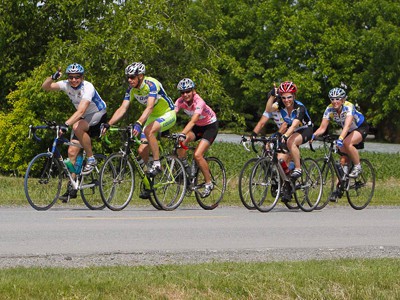
  • Keep a distance of 2 metres between cyclists, unless you are riding with people living in the same household.
  • Drive carefully and predictably, respecting the rules of the Highway Safety Code and signaling your intentions.
  • Take it easy and be aware of road conditions. In the current climate, let's avoid risky practices and hospital visits.
  • Slow down when approaching young children, who are more likely to drive erratically.
  • Keep to the right as much as possible, to facilitate overtaking and passing other road users.
  • Avoid riding side-by-side with another person on a narrow or busy multi-use trail.
  • Keep your distance from other road users at all times, especially when the pace slows down as you approach intersections.
  • Use open sites and businesses for sanitary stops (e.g. service stations, municipal or tourist stops). Respect private property.
  • Choose a secluded place to stop so as not to impede the flow of traffic. Communicate your intentions cordially.
  • When approaching a group or cyclists you wish to overtake, make your intentions known and warn them that you are going to overtake, and only if you have room to do so. Otherwise, wait for the right moment to overtake the cyclists ahead of you.

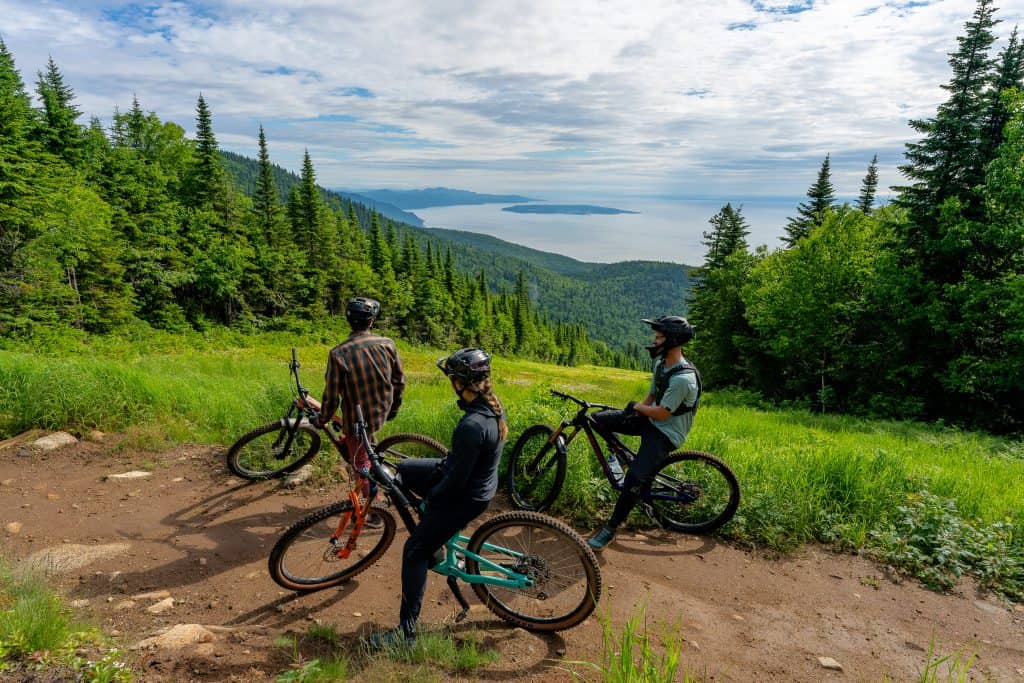
On mountain bike and fatbike trails

  • Trail managers are responsible for determining the maximum capacity of their site. Before you head out, check with the centers to see if any conditions apply.
  • When the site where you want to ride requires access rights, check payment terms with the managers, and prefer payment by card if the service is offered.
  • Avoid gathering in front of trail maps at network entrances or major intersections. To find your way around the site or plan your outings more effectively, consult our Mountain bike and fatbike trail directory as well as sites and applications such as Trailforks or Ondago.
  • Respect the centers' instructions on trail directions and access. In the current context, some trails may be temporarily designated as one-way or closed altogether, particularly difficult ones.
  • If you are assisting another cyclist, make sure you can follow the distancing measures and wash your hands and tools on the spot with hydroalcoholic gel.
  • Keep your distance from other users at all times, especially when the pace slows down as you approach technical or narrow passages.
  • When crossing two-way paths, give priority to those going uphill. When overtaking, when trail conditions allow, tell other cyclists that you wish to overtake and wait for their agreement before proceeding.
  • When other cyclists want to overtake you, be courteous and pull over as soon as the path allows you to stop safely. Stay in your comfort zone and avoid taking unnecessary risks that could require emergency intervention.
  • Access to huts is authorized by public health for warming up and eating lunch, but the trail manager may have restrictions in place. Check with your destination before travelling, and be prepared accordingly.
  • Contribute to distancing by encouraging short outings and minimizing access to buildings.

In bike parks

  • Take advantage of facilities that allow you to stay in your comfort zone and, above all, avoid taking unnecessary risks.
  • Keep your distance on the starting mounds, especially on jumping tracks and pumptracks.

Advice for cycling clubs

Supervised bike rides

For all decontamination measures for the sports and leisure sector, please refer to the summary table.

From June 11, Supervised sports and leisure activities will be permitted outdoors in groups of 25.

Trail building activities

Here are a few tips for mountain bike clubs organizing trail-building activities:

  • Limit participation in landscaping and maintenance chores, to limit proximity between volunteers; ;
  • Assign tools to each person and clean them before and after the chore; ;
  • Refer to CNESST directives for operations.
×