




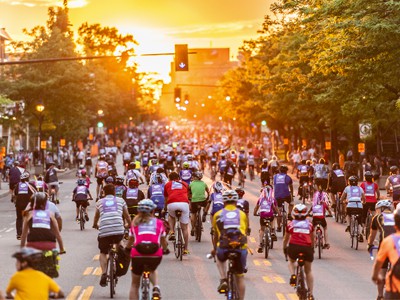





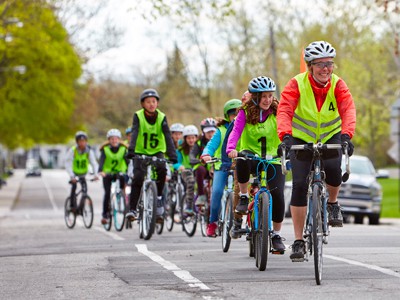




As the «Le vélo : solution et destination» symposium draws to a close in Quebec City, it's crucial to remember the importance of cycling in our society. It's not just an alternative means of transport, but a response to the environmental, economic and public health challenges facing our province. The energy of the participants, great leaders and cycling enthusiasts, was particularly inspiring, motivating us all to continue developing cycling culture in Quebec.
The event was also marked by the presence of influential political figures. The Deputy Premier and Minister of Transport and Sustainable Mobility, Geneviève Guilbault, opened the symposium, underlining the government's commitment to sustainable mobility solutions. The Mayor of Quebec City, Bruno Marchand, captivated the audience by unveiling the new identity of Corridors Vélo Cité, now renamed Corridors VivaCité, demonstrating the city's determination to position itself as a leader in cycling infrastructure. Their presence reinforced the idea that cycling must be at the heart of discussions on the future of urban mobility.
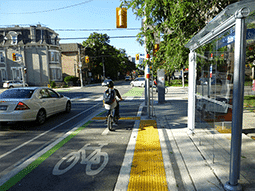
Firstly, the bicycle is positioned as a simple solutions to complex problems. Not only is it a sustainable mobility tool, it's also an effective way of reducing urban congestion and greenhouse gas (GHG) emissions. As our symposium reminded us, 36 % of Quebecers live less than 5 km from their workplace, and nearly 25 % of these journeys could be made by bike. However, it's the lack of safe infrastructure that's holding back this potential. Investing in cycling facilities and promoting the integration of cycling with public transport networks could increase the effectiveness of our investments in sustainable mobility tenfold.
Cycling is also a solution for the environment. The transport sector accounts for 43 % of GHG emissions in Quebec, and the rise of cyclologistics and cargo bikes offers a tangible alternative to reduce our dependence on the car. Initiatives such as Projet Colibri have demonstrated that a delivery person on a bicycle can handle 15 % more parcels per hour than a delivery person in a motorized vehicle, illustrating the effectiveness of this approach.
When it comes to public health, cycling plays a key role. Every week, Quebecers collectively pedal the equivalent of 14 million hours, preventing 724 deaths a year, according to the World Health Organization. This positive impact represents an economic value of $2 billion every year, a figure that continues to grow with the increasing adoption of electric-assist bicycles (EABs), encouraging people to ride more often and for longer.
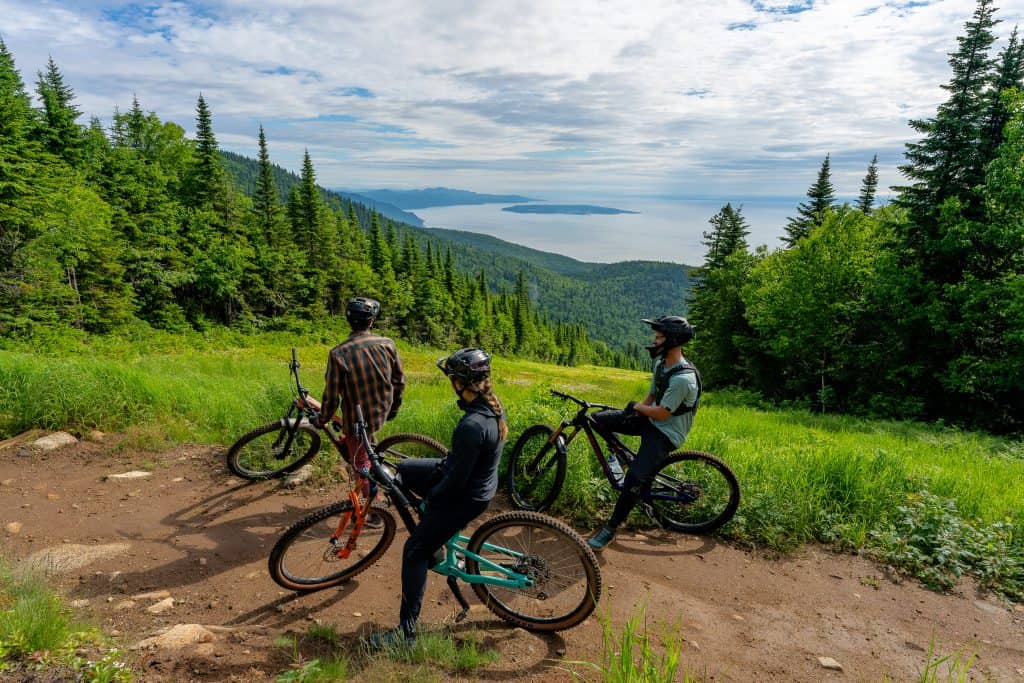
As well as being a solution, cycling is also a way to destination in itself. Quebec has established itself as one of North America's top cycling destinations. Whether for mountain biking, with renowned centers that attract visitors from all over the world, or for cycle tourism, the economic spin-offs are considerable and directly linked to the increase in cycling. During the symposium revealing data on mountain biking growth in Quebec were also shared. According to a recent study by the Institut Léger, 5 % of adult Quebecers were mountain bikers in 2022, a rising trend that reflects growing interest in this outdoor activity. In terms of tourism, in Montérégie alone, cycling generated $132 million in 2023. At the provincial level, the scope of our cycling networks, such as Route verte, continues to strengthen our position on the international scene.
Even with limited budgetary resources, cycling remains a smart, profitable investment. By substituting bicycles for cars, we are enabling Quebec families to reduce their transportation costs while improving their quality of life. It is essential that the government and municipalities continue to support this dynamic, in particular by developing suitable infrastructures and legislating to encourage the use of electric-assist bicycles.
In this regard, Vélo Québec also took advantage of the symposium to present its official position on electric-assist bicycles and called on the government to legislate without delay to ensure their harmonious development. Among its recommendations, we highlighted two requests for regulatory relief: lowering the minimum age for the use of VAEs to 14 and creating a specific category for self-service VAEs, limited to 25 km/h and exempt from mandatory helmet use.
Finally, the energy and commitment of the symposium's participants show that cycling is not just an alternative, but a vision of the future for a greener, healthier and more prosperous Quebec. In her opening speech, Minister Guilbault said that cycling was a source of pride for Quebec. I would add that Vélo Québec is proud to be working to advance cycling with so many committed partners. Thank you for your support!
Jean-François Rheault
President and CEO, Vélo Québec