








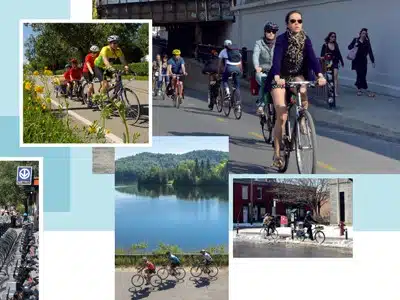

Laval, Friday, October 16, 2026 – At Laval, cycling has become popular among a large segment of the population, regardless of age. Cycling in Québec in 2025 highlights a particularly widespread recreational activity and a strong interest in bike-sharing.
Since 1995, Vélo Québec has published a report every five years The state of cycling in Quebec, a large-scale study that identifies key trends and provides insightful findings to guide decisions regarding the future of cycling in Quebec.
Unveiled last April, the 2025 edition of The state of cycling in Quebec ...highlighted, in particular, the growing role of bicycles as a genuine means of transportation throughout the province.
To highlight the specific realities of Quebec’s major urban centers, Vélo Québec also analyzed data collected from 8 of Quebec’s 10 largest cities: Gatineau, Trois-Rivières, Sherbrooke, Lévis, Saguenay, Laval, Québec City, and Montreal.
Today, Vélo Québec is unveiling The State of Cycling at Laval in 2025, which provides a better understanding of the habits of Laval residents and trends in cycling in the city.
Major Trends in Cycling at Laval in 2025
You're never too old to ride a bike
As of Laval, cycling has become popular among the majority of the population, regardless of age. In 2025, 81 % of Laval’s children aged 3 to 17 rode bicycles, the highest proportion among the eight major Quebec cities studied. Among adults, 56 % cycled, placing Laval second among the cities studied, as was the case for people aged 55 to 74, 44 % of whom cycled. In Laval, cycling is thus notable for its prevalence across the entire population.
Strong Demand for Bike-Sharing
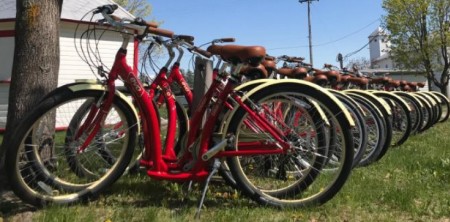
Thanks to the BIXI service, residents of Laval can enjoy the benefits of bike-sharing from April through November. Since its launch in Laval in 2020, the number of trips has increased more than 18-fold, reaching over 80,000 trips in 2025. That same year, 41,000 Laval residents used a bike-sharing bike, representing 22 % of the city’s cyclists. This growth demonstrates a strong demand for this type of transportation and significant untapped potential.
Cycling for recreation and the simple joy of riding
In Laval, cycling plays an important role in recreational activities. In 2025, 232,000 people—173,000 adults and 59,000 children—cycled for recreation. This represents 95 % of adult cyclists and 92 % of child cyclists, making Laval the largest city in Quebec studied where recreational cycling is most widespread among adults.
Among the major cities in Quebec studied, Laval stands out for its large number of recreational cyclists interested in all types of cycling, whether road biking, gravel biking, mountain biking, or fat biking. In fact, nearly half of the residents of Laval who went mountain biking or gravel biking in 2025 tried it just once that year.
A cycling culture supported by concrete actions
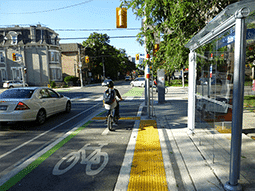
The growth of cycling in Laval depends on the coordinated implementation of several complementary measures and initiatives. With its Strategic Plan for Sustainable Mobility currently under development, the City aims to establish a new vision for sustainable mobility.
As of Laval, all STL buses are equipped with bike racks, making it possible to combine biking with public transit and thereby expanding travel options. The BIXI service also allows users to combine biking with public transit, offering an additional option to facilitate multimodal travel.
A wide range of organizations and associations also carry out numerous promotional and educational activities related to the sport, with financial support from the municipality.
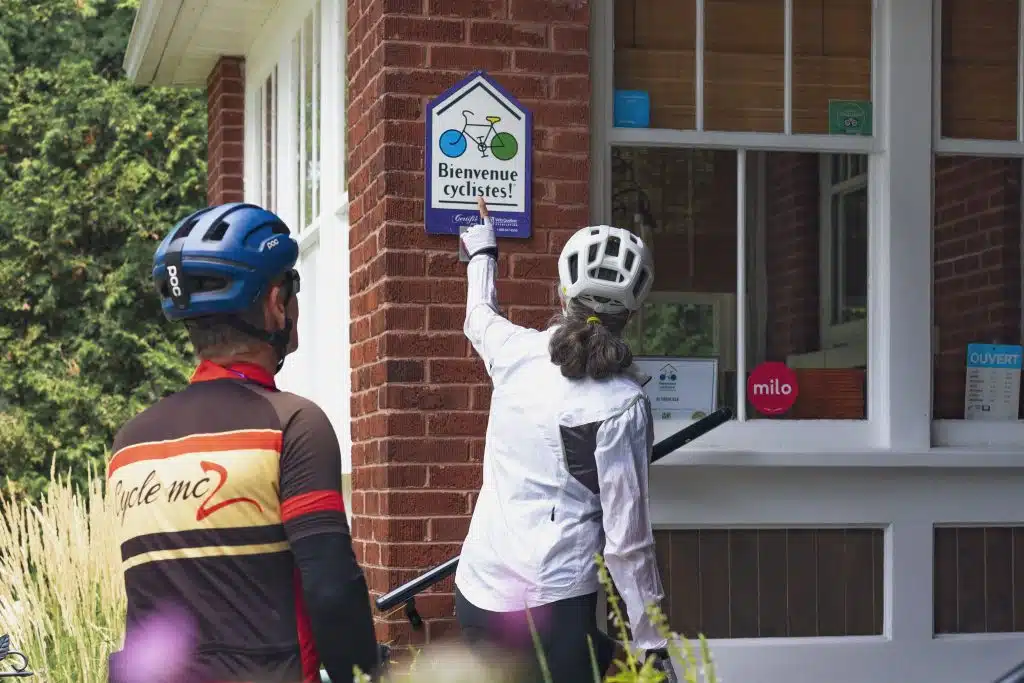
All of these initiatives contribute to the development of a cycling culture at Laval, which has held a “Vélosympathique” Silver certification since 2024.
A rigorous approach to monitoring changes in practices
Produced by Vélo Québec every five years since 1995, The state of cycling in Quebec serves as the go-to source for data on cycling in the province.
The 2025 edition is based, in particular, on a population-based survey of 4,500 respondents, including 400 residents of Laval, as well as on analyses conducted in collaboration with academic and institutional partners.
Laval is participating in The Condition of the Bike for the past 15 years. This consistent data collection makes it possible to track changes in cycling behavior and evaluate the effectiveness of the measures taken, which is a significant step in the development of cycling.
To view The State of Cycling in Quebec 2025 and its Laval edition: www.velo.qc.ca/salle-de-presse/etat-du-velo/letat-du-velo-au-quebec-en-2025/
More data to come
The 2025 data for Gatineau, Trois-Rivières, Lévis, and Saguenay have already been released. Data for the other major participating cities in Quebec—Sherbrooke, Quebec City, and Montreal—will be available in the coming days.
The State of Cycling in Quebec 2025 was made possible thanks to financial support from the Government of Quebec and the municipalities involved.
About Vélo Québec
Vélo Québec's mission is to develop a cycling culture for everyone, everywhere in Quebec. A national recreational organization recognized by the Quebec government, Vélo Québec promotes the use of bicycles for recreation, tourism and active transportation, in order to improve the health and well-being of the population, contribute to the economic vitality of our regions and meet our environmental challenges.
With its unique and original expertise, Vélo Québec is a benchmark in the planning, development and management of cycling infrastructures. Its know-how is put to good use in the municipal sector and among players involved in the transition to sustainable mobility.
In addition to its events, trips, publications and technical expertise, Vélo Québec coordinates education and mobilization programs, and oversees the deployment and standardization of Route verte.
Vélo Québec is also a key interlocutor with various levels of government to identify needs and solutions for improving and increasing bicycle use.
Information
Vélo Québec
Public relations and communications
514 942-0743